Best Resources for Senior Citizens and Personal Hygiene Help
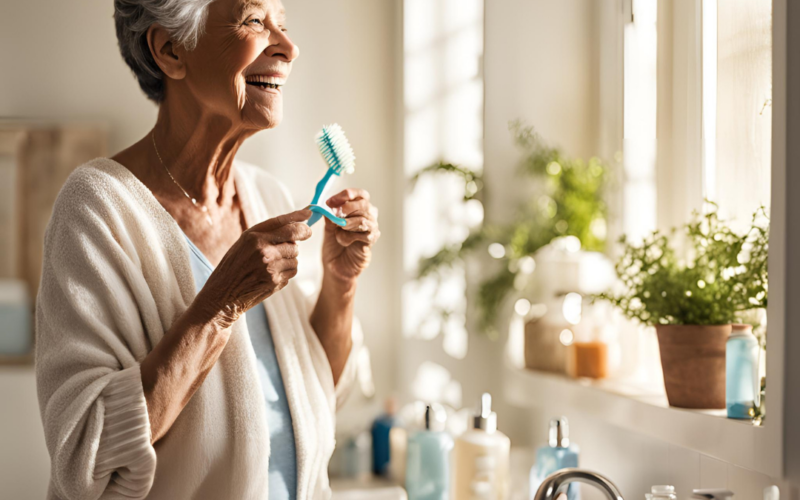
As we grow older, maintaining personal hygiene becomes more crucial than ever. For younger senior citizens, prioritizing hygiene can play a pivotal role in safeguarding overall health and well-being. Beyond merely feeling fresh, consistent personal care practices help prevent infections, skin conditions, and other health issues that may arise due to age-related changes. Understanding how to adapt personal hygiene routines to fit the evolving needs of senior citizens is essential for maintaining dignity, confidence, and long-term wellness.
In this article, we will explore the significance of personal hygiene for senior citizens, focusing on practical tips to help them stay on top of their hygiene routines while addressing potential challenges that may come with aging. Additionally, we’ll highlight valuable social resources designed to assist seniors in maintaining their personal hygiene, ensuring they have the support needed to live independently and healthily.
Why Personal Hygiene is Critical for Senior Citizens
Personal hygiene is a fundamental aspect of daily living, yet its importance often escalates as individuals enter their senior years. For younger seniors, practicing good hygiene is more than just about appearances; it’s about staying healthy and avoiding infections. As the immune system weakens with age, the body becomes more susceptible to conditions like skin infections, urinary tract infections (UTIs), and oral health issues.
Moreover, maintaining personal hygiene is key to preserving self-esteem and mental well-being. When seniors take care of themselves, it boosts their confidence, enabling them to interact more socially and maintain an active lifestyle.
Challenges in Maintaining Personal Hygiene as a Senior
While the benefits of maintaining personal hygiene are clear, many seniors face challenges in managing daily hygiene tasks. These obstacles may be physical, such as mobility issues, arthritis, or other age-related conditions that make self-care more difficult. For instance, arthritis can make it hard to hold onto hygiene tools like toothbrushes or razors, and limited mobility can affect one’s ability to bathe or reach certain areas of the body.
Cognitive changes, including memory loss or dementia, may also impact a senior’s ability to remember and perform hygiene tasks. Additionally, financial limitations may hinder access to necessary hygiene products, further complicating the situation.
Thankfully, a variety of social resources and community-based programs exist to support senior citizens in overcoming these hurdles and maintaining a healthy level of personal hygiene.
Social Resources for Supporting Personal Hygiene
Several community programs and services are designed to help senior citizens maintain proper hygiene. These resources focus on offering practical assistance, tools, and social support to ensure that personal hygiene is never neglected, even when challenges arise.
1. Home Care Services
Home care services provide a valuable resource for seniors struggling with personal hygiene tasks. These services offer in-home assistance with daily activities such as bathing, dressing, grooming, and oral care. Home health aides are trained professionals who assist with these tasks, ensuring the safety and comfort of the senior citizen while maintaining their dignity.
For seniors with limited mobility or cognitive difficulties, home care services are an excellent way to ensure hygiene is not compromised. They offer both short-term and long-term care options, allowing seniors to stay in their homes longer while receiving personalized assistance.
2. Adult Day Care Centers
Adult day care centers provide a social environment where senior citizens can receive care and engage in activities while their caregivers are at work or need a break. These centers often offer hygiene assistance, including supervised bathing, grooming, and toileting services. In addition to personal care, seniors have the opportunity to socialize with others, reducing feelings of loneliness and isolation, which can also indirectly affect one’s desire to maintain good hygiene.
These centers typically have health professionals on hand to offer advice on how to handle specific hygiene-related issues and provide a safe space for seniors to address these concerns.
3. Senior Centers and Social Programs
Many communities have senior centers that offer resources focused on personal health and hygiene. These centers may offer workshops on personal care, provide access to hygiene supplies at discounted rates, and have support groups where seniors can share tips and encouragement for maintaining good hygiene.
Some centers also partner with healthcare professionals to offer screenings for skin health, dental check-ups, and general wellness assessments to ensure that personal hygiene is on track.
4. Mobile Grooming and Salon Services
For seniors who may find it difficult to leave their homes due to physical limitations, mobile grooming services provide in-home haircuts, shaves, and nail care. These services ensure that seniors can continue to look and feel their best without the strain of traveling to a salon.
Mobile services are growing in popularity because they offer convenience and provide a way for seniors to maintain hygiene standards that contribute to their sense of well-being and self-respect.
Practical Tips for Maintaining Personal Hygiene
While resources and assistance are available, younger senior citizens should also adopt simple strategies to ensure they maintain high standards of hygiene independently:
- Adapt Tools for Comfort: Consider using adaptive tools, such as electric toothbrushes, long-handled sponges, and shower chairs, to make hygiene tasks easier.
- Create a Routine: Set a regular schedule for bathing, grooming, and oral care. Sticking to a routine makes it easier to keep up with personal hygiene.
- Stay Hydrated: Drinking plenty of water helps keep the skin healthy and can prevent dryness, cracking, and infection.
- Wear Comfortable Clothing: Loose, breathable clothing can help prevent skin irritation and promote comfort, making it easier to stay clean and fresh.
Conclusion
Maintaining personal hygiene is a vital component of healthy aging, particularly for senior citizens. While aging may introduce challenges in self-care, the wide array of social resources available—from home care services to senior centers—can provide crucial support. Additionally, by utilizing practical tools and sticking to a routine, younger seniors can maintain their hygiene and overall health more effectively.
By addressing personal hygiene proactively and seeking out available resources, senior citizens can continue to enjoy a vibrant and healthy lifestyle well into their later years.