
The Best Skincare Routine for Seniors: Tips for Radiant Skin
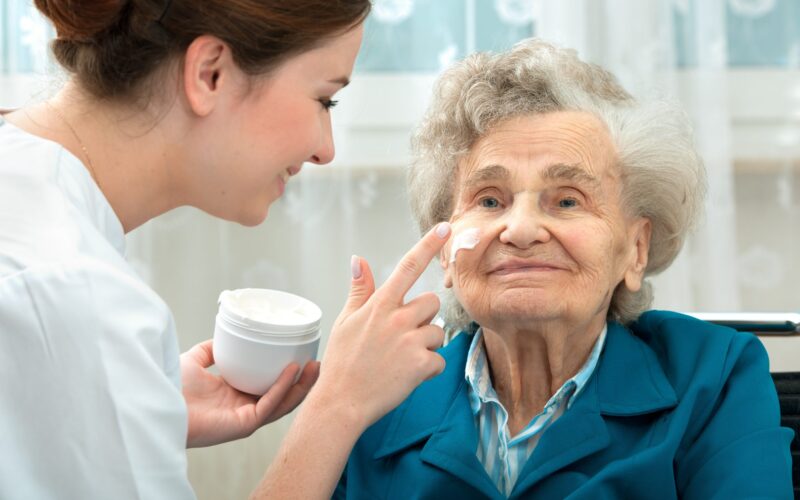
Aging skin deserves special attention, and creating an effective skincare routine is essential to maintaining healthy, radiant skin. For seniors, skincare isn’t just about addressing wrinkles or dryness—it’s about nourishing the skin, enhancing its resilience, and celebrating the natural beauty that comes with age. Let’s explore the best skincare routine designed with senior citizens in mind, focusing on gentle yet effective treatments to help the skin look and feel its best.
Understanding Aging Skin and Its Unique Needs
As we age, our skin undergoes changes that can affect its texture, elasticity, and hydration levels. A few key changes include:
- Reduced Collagen and Elastin: These proteins are essential for firm, plump skin. As their production slows, skin may appear thinner and more prone to sagging.
- Decreased Oil Production: While this may reduce acne, it can lead to drier, less supple skin. Hydration becomes a top priority.
- Increased Sensitivity: Mature skin is often more sensitive, making it important to use products that are gentle and free from harsh chemicals.
By understanding these changes, it becomes easier to select products and practices that support the skin’s needs at every age.
Step 1: Gentle Cleansing for Fresh, Hydrated Skin
Clean skin is the foundation of any skincare routine, but for seniors, it’s crucial to use a gentle cleanser that won’t strip natural oils.
- Choose a Mild, Creamy Cleanser: Foaming cleansers can be too harsh, so opt for cream-based cleansers that cleanse without leaving skin tight or dry.
- Use Lukewarm Water: Hot water can irritate and dry out the skin. Lukewarm water is best to maintain moisture.
- Avoid Over-Washing: Washing your face twice a day—morning and night—is usually sufficient. Over-washing can strip the skin and make it more prone to dryness.
Step 2: Exfoliate with Care
Exfoliation removes dead skin cells and helps other products penetrate deeper, but mature skin requires a more gentle approach.
- Limit Exfoliation to Once or Twice a Week: Over-exfoliating can lead to irritation, so it’s best to keep it minimal.
- Choose a Gentle Exfoliant: Chemical exfoliants containing mild alpha-hydroxy acids (AHAs) like lactic acid can be gentler than physical scrubs, which may be too abrasive.
- Consider Enzyme-Based Exfoliants: Products with enzymes like papaya or pineapple are often suitable for sensitive skin and can provide a gentle exfoliation effect.
Step 3: Hydrate with a Quality Toner or Essence
Toners and essences help to restore moisture and prepare the skin to absorb serums and moisturizers effectively.
- Opt for Hydrating, Alcohol-Free Formulas: Look for ingredients like hyaluronic acid, glycerin, and chamomile that attract moisture without drying.
- Apply with a Gentle Patting Motion: Using a cotton pad or your hands, gently pat the toner into the skin to avoid tugging or stretching.
Step 4: Treat the Skin with Targeted Serums
Serums are concentrated with active ingredients and can target specific skin concerns like dryness, fine lines, and uneven texture.
- Choose a Hyaluronic Acid Serum: Hyaluronic acid is excellent for hydrating mature skin, as it binds water to keep skin plump and smooth.
- Add a Vitamin C Serum: Vitamin C can brighten skin and protect against free radical damage. Apply in the morning to enhance your natural glow and shield against environmental damage.
- Consider a Retinol Serum: Retinol, a form of Vitamin A, can boost collagen production and improve skin texture. Start with a low concentration and use it a few nights a week, gradually increasing as your skin adjusts.
Step 5: Moisturize Generously
Moisturizing is essential for locking in hydration, maintaining skin barrier function, and reducing the appearance of fine lines.
- Use a Rich, Nourishing Moisturizer: Look for ingredients like ceramides, peptides, and antioxidants to help repair the skin and retain moisture.
- Apply Morning and Night: Moisturizing twice a day helps maintain hydration, especially for dry, mature skin.
- Include an Eye Cream: The skin around the eyes is thinner and more prone to wrinkles, so use a moisturizing eye cream with peptides or caffeine to reduce puffiness and fine lines.
Step 6: Protect with Sunscreen Daily
One of the most important steps in any skincare routine is sun protection. UV rays can exacerbate aging and cause pigmentation, so applying sunscreen is non-negotiable.
- Choose a Broad-Spectrum SPF 30 or Higher: Broad-spectrum sunscreens protect against both UVA and UVB rays, helping to prevent wrinkles, dark spots, and skin cancer.
- Look for Moisturizing Sunscreen Formulas: For mature skin, a hydrating sunscreen or a moisturizer with SPF can simplify the routine while providing essential protection.
- Reapply as Needed: If you’re outdoors, reapply sunscreen every two hours. For indoor days, applying once in the morning may be sufficient.
Step 7: Pamper the Skin with Occasional Treatments
Along with daily skincare, occasional treatments can rejuvenate and refresh the skin. Here are some options that are both effective and senior-friendly:
- Facial Masks: Hydrating masks with ingredients like aloe vera, cucumber, or honey can provide a soothing boost of moisture.
- Facial Massages: Gentle massages can stimulate circulation, enhance radiance, and relieve tension in facial muscles.
- Professional Treatments: For those interested, consult with a dermatologist about gentle anti-aging treatments like microdermabrasion, chemical peels, or laser therapy, which can be adjusted to suit mature skin.
Tips for a Consistent Skincare Routine
Creating a skincare routine is just the beginning; sticking to it is key for long-term results. Here are a few tips for staying consistent:
- Make Skincare a Relaxing Ritual: Instead of rushing through the steps, treat your skincare routine as a time to relax and care for yourself.
- Choose Quality Over Quantity: With skincare, more isn’t always better. Focusing on a few high-quality, well-suited products is often more effective than using many products with overlapping ingredients.
- Listen to Your Skin: If a product causes irritation or discomfort, discontinue its use. Mature skin can be sensitive, so choose products that make your skin feel comfortable and nourished.
Embracing the Beauty of Aging
A well-thought-out skincare routine can help senior citizens achieve a healthy, radiant complexion, but it’s also essential to embrace the natural beauty of aging. Each line and feature tells a story, a part of life’s journey. Skincare isn’t about erasing the signs of age; it’s about nourishing and cherishing the skin at every stage of life.
By following these steps and selecting products that cater to mature skin, you can maintain a glowing, refreshed look that feels as good as it looks. Celebrate the beauty of aging gracefully, with a skincare routine that prioritizes health, hydration, and happiness.

