Why Senior Citizen Game Nights Boost Health and Happiness
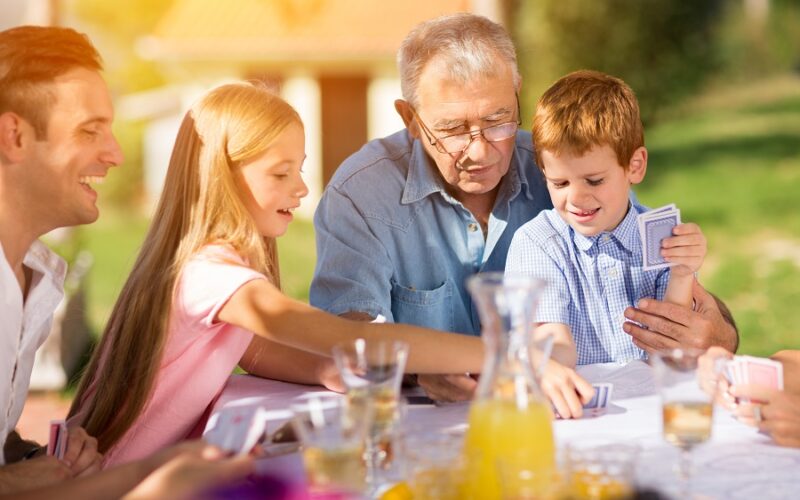
As we journey through life, one constant need remains: the desire for meaningful social connections. For senior citizens, staying socially active can significantly enhance emotional well-being, physical health, and mental sharpness. One delightful and effective way to foster these connections is through senior citizen game nights. These gatherings combine fun, laughter, and camaraderie, making them a cornerstone of enriching social life in the golden years.
Why Social Connections Matter for Seniors
Isolation and loneliness are common challenges for many seniors, often leading to health issues such as depression, cognitive decline, and even heart disease. Engaging in regular social activities like game nights combats these issues by creating opportunities to bond, share experiences, and build lasting friendships. Research shows that seniors who maintain strong social ties are more likely to experience improved overall well-being and longer life expectancy.
The Appeal of Game Nights
Game nights are versatile, low-pressure, and universally enjoyable. They cater to diverse interests and physical abilities, making them an excellent activity for seniors of all backgrounds. Whether it’s a spirited round of bingo, a strategic game of chess, or a cooperative puzzle-solving session, there’s something for everyone. Here are some reasons why game nights resonate so deeply with senior citizens:
- Nostalgia and Familiarity
Many games, such as card games or board games like Scrabble, bring back memories of family gatherings or childhood fun. These familiar activities evoke feelings of comfort and joy. - Mental Stimulation
Games like trivia, crossword puzzles, and Sudoku challenge the mind, helping to keep cognitive functions sharp. This mental engagement can be especially beneficial in reducing the risk of dementia or Alzheimer’s disease. - Social Bonding
Game nights provide a relaxed environment for conversation, storytelling, and laughter. These shared moments create deeper connections among participants. - Inclusivity
Many games are accessible to people with varying levels of mobility or vision. For example, large-print cards and adaptive equipment ensure everyone can join in the fun.
How to Host a Successful Senior Citizen Game Night
Creating a memorable game night doesn’t require a large budget or elaborate planning. With a few thoughtful touches, you can make the evening enjoyable for all. Here’s how to get started:
- Choose the Right Venue
Hosting the event at a senior center, community hall, or even a cozy living room can set the tone for a welcoming atmosphere. Ensure the space is well-lit and easily accessible. - Offer a Variety of Games
Include a mix of games to suit different preferences. Some popular choices include:- Classic Card Games: Bridge, Rummy, or Crazy Eights
- Board Games: Monopoly, Scrabble, or Clue
- Interactive Games: Bingo, Pictionary, or charades
- Provide Light Refreshments
Snacks and drinks are a game-night staple. Offer simple finger foods like sandwiches, fruit platters, or cookies, along with tea, coffee, or juice. - Encourage Participation
Icebreaker activities or team-based games can help newcomers feel comfortable and included. - Add a Theme
Themes, such as “Retro Night” or “Trivia Challenge,” can add an extra layer of excitement and encourage participants to dress up or prepare for specific games.
Benefits Beyond the Games
Senior citizen game nights offer more than just entertainment. They foster a sense of belonging and purpose, helping participants feel valued and connected. Many seniors also find these events an excellent way to explore new hobbies, strengthen family relationships, or simply escape from daily routines.
Additionally, game nights can act as a springboard for broader social engagement. Seniors often form lasting friendships through these gatherings, leading to more outings, shared interests, and a vibrant support network.
Stories of Success
Take the example of Mary, a retired teacher who joined her local senior center’s weekly game night. Initially shy, she found herself drawn to a group of fellow Scrabble enthusiasts. Over time, these sessions became the highlight of her week. Not only did she rediscover her love for words, but she also gained lifelong friends who supported her through life’s ups and downs.
Or consider Frank, a widower who struggled with loneliness after his wife’s passing. Attending a trivia game night helped him reconnect with his community and discover a hidden talent for pop culture knowledge.
Bringing Game Nights to Your Community
If your neighborhood or senior center doesn’t already host game nights, consider taking the initiative to start one. Reach out to local organizations, libraries, or social clubs for resources and ideas. Platforms like Facebook groups or Meetup can also help spread the word and attract participants.
By introducing senior citizen game nights, you’re not just organizing an event—you’re creating a space where friendships blossom, laughter echoes, and memories are made.
Final Thoughts
Senior citizen game nights are more than just an evening of fun; they’re a powerful antidote to loneliness and a celebration of community. Whether you’re rolling dice, playing cards, or guessing trivia answers, these gatherings remind us of the joy that comes from shared experiences and meaningful connections.
So why wait? Gather some games, send out invitations, and let the fun begin. You might be surprised at how much a simple game night can enrich your life and the lives of others.