
Senior Citizens Skincare Protection: Age Gracefully and Glow
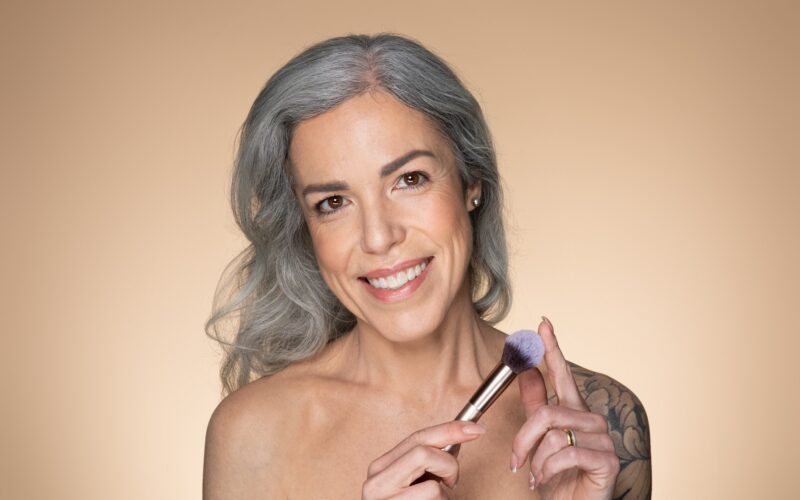
As we age, our skin undergoes several changes:
- Thinner Skin: Aging reduces the fat layer under the skin, making it thinner and more prone to injury.
- Reduced Collagen and Elasticity: This leads to wrinkles and sagging.
- Dryness: Older skin produces less oil, leading to dryness and irritation.
- Increased Sensitivity to Sun Damage: UV rays can cause age spots, uneven tone, and increase the risk of skin cancer.
Understanding these changes highlights why senior citizens need a dedicated skincare routine focused on protection and nourishment.
Key Components of Skincare Protection for Seniors
1. Daily Sunscreen Application
Sun exposure is the leading cause of premature aging and skin damage. Using a broad-spectrum sunscreen with at least SPF 30 every day—rain or shine—is non-negotiable.
- Tip: Choose a sunscreen with added moisturizers for extra hydration.
2. Gentle Cleansing
Aging skin is more delicate, so harsh cleansers can strip it of essential oils. Opt for a mild, hydrating cleanser that removes impurities without over-drying.
- Tip: Look for cleansers labeled as “sensitive skin” or “hydrating.”
3. Hydration is Key
Dry skin is a common issue among seniors, making moisturization critical. Use a rich, fragrance-free moisturizer to lock in hydration and restore the skin’s barrier.
- Ingredients to Look For: Hyaluronic acid, ceramides, and glycerin.
4. Antioxidants for skin health
Incorporate products containing antioxidants like vitamin C or E to combat free radicals, which cause skin damage and accelerate aging.
- Tip: Apply antioxidant serums in the morning before sunscreen for added protection.
5. Nighttime Repair
Nighttime is when your skin repairs itself, so take advantage of this natural process. Use a nourishing night cream or anti-aging treatment containing retinol or peptides to boost cell renewal and reduce fine lines.
- Tip: Start with a low-concentration retinol to avoid irritation.
Skincare Habits Beyond Products
1. Stay Hydrated from Within
Drinking enough water keeps your skin plump and reduces dryness. Aim for 6–8 glasses of water daily.
2. Eat a Skin-Healthy Diet
What you eat affects your skin. Incorporate foods rich in omega-3 fatty acids, antioxidants, and vitamins to support skin health.
- Examples: Salmon, leafy greens, berries, and nuts.
3. Avoid Over-Exfoliation
While exfoliation helps remove dead skin cells, doing it too often can irritate aging skin. Stick to gentle exfoliants once a week.
4. Protect from Environmental Damage
Pollution and harsh weather can harm your skin. Wear protective clothing, use an umbrella on sunny days, and always cleanse your face after being outdoors.
Common Skincare Mistakes to Avoid
- Skipping Sunscreen Indoors: UV rays can penetrate windows, so protection is necessary even at home.
- Using Harsh Products: Avoid alcohol-based toners or scrubs with large, rough particles.
- Neglecting the Neck and Hands: These areas show signs of aging just as much as your face.
- Not Consulting a Dermatologist: Regular skin checks can catch issues like skin cancer early.
The Role of Professional Treatments
For those seeking additional rejuvenation, professional skincare treatments can be beneficial.
- Facials: Hydrating facials tailored for mature skin can enhance moisture and elasticity.
- Chemical Peels: Gentle peels can improve skin tone and texture.
- Microneedling: Stimulates collagen production for a firmer appearance.
Always consult with a dermatologist to choose treatments that suit your skin’s needs.
Embracing Skincare as Self-Care
Taking care of your skin isn’t just about appearances—it’s a form of self-care that boosts confidence and well-being. A consistent routine, combined with a healthy lifestyle, ensures your skin remains resilient and glowing as you age.
Final Thoughts
Senior citizens’ skincare protection is about creating habits that nurture and safeguard your skin. With the right products, practices, and a little self-love, your skin can reflect the vibrant, confident person you are.
Remember, it’s never too late to start caring for your skin. Invest in protection today for a healthier tomorrow!

