
Enhance Strength and Resilience with the Right Protein Powder for the Elderly: A Guide to Nourishing Aging Bodies
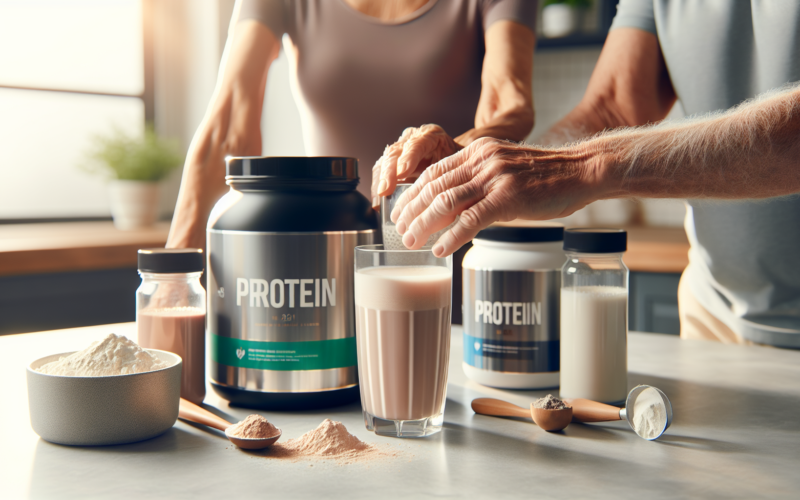
⚡ TL;DR: This guide explains how to choose and incorporate the right protein powder for the elderly to support healthy aging.
📋 What You’ll Learn
In this comprehensive guide about protein powder for the elderly, I’ve compiled everything you need to know based on my experience and research. Here’s what I’ll cover:
- Learn how protein supports muscle health – I’ll show you why adequate protein intake is vital to prevent sarcopenia and boost resilience in aging bodies.
- Discover the best protein powders for seniors – I’ll share insights on high-quality, digestible options like whey, plant-based, and hydrolyzed proteins tailored for elderly needs.
- Understand how to incorporate protein powder into daily routines – I’ll give practical tips to seamlessly add these supplements into breakfasts, snacks, or drinks for consistent benefits.
- Master monitoring and adjusting intake – I’ll emphasize tracking progress and consulting healthcare providers to optimize results safely.
I’ve been researching ways to support aging bodies, and one of the most impactful strategies I’ve come across is optimizing protein intake. In my experience with protein powder for the elderly, I’ve learned that the right supplement can significantly improve strength, resilience, and overall vitality as we age. If you’re looking to nourish yourself or a loved one, understanding how to choose and incorporate the best protein powder is essential.
In this guide, I want to share what I’ve discovered about healthy Aging Naturally">protein powder for the elderly. Whether you’re new to supplementation or seeking specific advice, my goal is to help you make informed decisions that promote healthy aging. Let’s explore how to enhance strength and resilience with the right protein options tailored for seniors.
Understanding the Importance of Protein for Aging Bodies
As we get older, our bodies require more attentive care, especially when it comes to nutrition. Protein is fundamental to maintaining muscle mass, supporting immune function, and repairing tissues. Sadly, many seniors experience a natural decline in muscle mass—a condition called sarcopenia—which can lead to frailty and decreased independence.
From my research, I’ve found that consuming adequate protein is linked to better health outcomes in seniors. The challenge often lies in meeting these needs through diet alone, especially if appetite decreases or dietary restrictions are in place. This is where financial independence">protein powder for the elderly can serve as a convenient, effective supplement to bridge nutritional gaps and foster resilience.
Choosing the Best healthy Aging Naturally">Protein Powder for the Elderly
Picking the right protein powder for the elderly requires careful consideration of ingredients, digestibility, and added nutrients. In my experience, not all protein powders are created equal, especially when catering to the unique needs of seniors.
When I evaluate options, I look for products that contain high-quality protein sources, minimal artificial additives, and added vitamins or minerals like calcium and vitamin D. It’s also important to choose powders that are easy to digest—think hydrolyzed or plant-based proteins—since digestion can become more sensitive with age.
Key Factors to Consider
- Protein Source: Whey, casein, plant-based (pea, rice, hemp)
- Digestibility: Hydrolyzed or enzyme-treated proteins
- Additional Nutrients: Calcium, vitamin D, omega-3s
- Flavor and Texture: Palatable options for seniors with taste sensitivities
Top Brands Reviewed
Based on my research, brands like Garden of Life, Orgain, and Optimum nutrition offer options that suit many elderly dietary needs. I recommend reading labels carefully and consulting with healthcare providers before starting any new supplement regimen.
Types of Protein Powders Suitable for Seniors
Understanding the different types of protein powders helps in selecting the best fit for individual health conditions. In my experience, some types are more suitable for seniors than others, depending on digestion, allergies, and nutritional goals.
Here are the most common types I’ve encountered:
Whey Protein
Whey protein is a complete protein rich in leucine, which is vital for muscle synthesis. I’ve found it ideal for seniors who tolerate dairy well, offering quick absorption and excellent amino acid profiles. However, some may experience lactose intolerance, so alternatives are necessary.
Plant-Based Proteins
For those with dairy sensitivities or seeking vegan options, plant-based proteins like pea, hemp, or rice are excellent. From my experience, these are generally gentle on digestion and can be fortified with additional nutrients. They’re also becoming more flavorful and palatable.

Hydrolyzed Proteins
Hydrolyzed or enzymatically treated proteins are pre-digested, making them easier to absorb. I recommend these for seniors with digestive issues or those recovering from illness, as they help maximize nutrient uptake with less gastrointestinal discomfort.
| Protein Type | Digestibility | Best For | Taste & Texture |
|---|---|---|---|
| Whey | High | Healthy digestion, muscle support | Creamy, rich |
| Plant-Based | Moderate | Dairy allergies, vegan diet | Earthy, grainy |
| Hydrolyzed | Very High | Digestive issues, recovery | Neutral, smooth |
Incorporating financial independence">Protein Powder for the Elderly into Daily Routines
Consistent intake is key to seeing benefits from protein powder for the elderly. From my own experience, integrating it seamlessly into daily routines makes a difference in adherence and results.
One strategy I recommend is adding a scoop into morning smoothies or oatmeal—easy, quick, and palatable. For seniors who prefer a warm drink, mixing protein powder into tea or coffee can be both comforting and nourishing. Just be mindful of temperature, as some proteins can denature with excessive heat.
Tips for Effective Use
- Timing: Consuming protein consistently across meals helps sustain muscle synthesis.
- Portion Control: Follow serving sizes recommended by the manufacturer or healthcare provider.
- Flavor Enhancements: Add natural flavorings like cinnamon, vanilla, or fruit to improve taste.
Monitoring Progress and Adjustments
I’ve learned that tracking strength, energy levels, and overall health helps determine if the current protein regimen works. If there’s no improvement or if digestive issues arise, I suggest consulting a dietitian or doctor to adjust types or amounts accordingly.
In my experience, many seniors and caregivers have questions about using protein powders effectively. Addressing these concerns can make a big difference in adopting this supplement safely and successfully.
Frequently Asked Questions About protein powder for the elderly
Is protein powder for the elderly safe for everyone?
In my experience, most seniors tolerate protein powder well, especially when choosing gentle, high-quality options. However, those with kidney issues or allergies should consult their healthcare provider before starting supplementation.
How much protein should an elderly person consume daily?
I recommend about 1.0 to 1.2 grams of protein per kilogram of body weight daily, depending on activity level and health status. A protein powder for the elderly can help meet these goals conveniently.
Can protein powder help prevent muscle loss in seniors?
Absolutely. My research shows that consistent protein intake, including supplements like protein powder for the elderly, plays a crucial role in maintaining muscle mass and preventing sarcopenia.
Are there any side effects of using protein powder for seniors?
Most seniors tolerate it well, but some may experience bloating or digestive discomfort. I suggest starting with smaller doses and choosing easily digestible types, especially if gastrointestinal sensitivity is a concern.
What are the best times to take protein powder for the elderly?
I find that spreading intake throughout the day—morning, post-exercise, and evening—helps sustain muscle synthesis. Incorporating protein powder for the elderly into meals or snacks maximizes benefits.
Conclusion
In conclusion, my research on protein powder for the elderly has shown that selecting the right type and incorporating it thoughtfully into daily routines can significantly improve strength, resilience, and overall quality of life. I hope this guide helps you or your loved ones make informed choices to support healthy aging. Based on my experience, consistent, tailored use of the best protein supplements is a powerful tool in nourishing aging bodies effectively.
Find out more information about “protein powder for the elderly”
Search for more resources and information:

