
Transforming Senior Nutrition: Discover the Top Meal Plans That Promote Health, Independence, and Joyful Aging
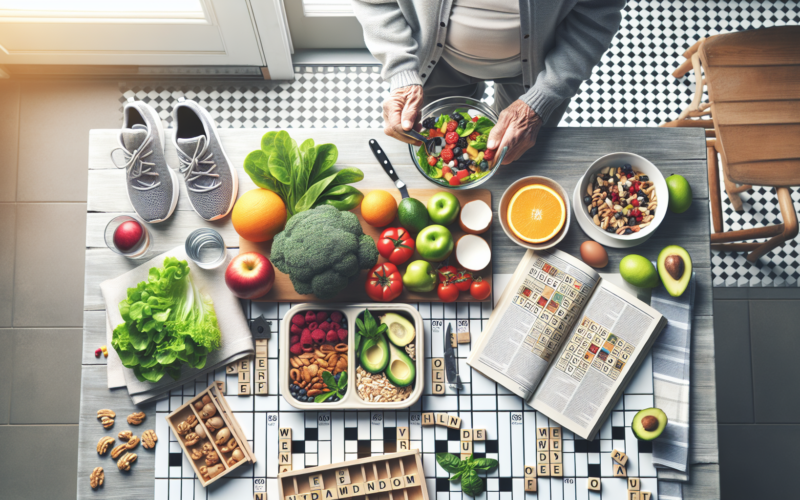
⚡ TL;DR: This guide explains the best meal plans for seniors that promote health, independence, and joyful aging.
📋 What You’ll Learn
In this comprehensive guide about best meal plans for seniors, I’ve researched strategies to enhance senior nutrition, support independence, and boost overall well-being. Here’s what I’ll cover:
- Understand the importance of tailored nutrition – I’ll show you why personalized meal plans are essential for seniors’ health and happiness.
- Discover practical strategies for easy, nutritious meals – I’ll share tips on incorporating nutrient-dense, simple recipes that promote independence.
- Master hydration and dietary considerations – I’ll explain how hydration and managing dietary restrictions improve overall vitality.
- Explore social and involvement-based meal ideas – I’ll discuss how social dining and involving seniors in meal prep foster joyful, independent eating experiences.
In my experience with best meal plans for seniors, I’ve come to realize how crucial proper nutrition is for aging gracefully, maintaining independence, and enhancing overall well-being. As we explore options, it’s clear that tailored meal plans can transform seniors’ health and happiness. I want to share what I’ve learned about creating and choosing the most effective meal strategies for seniors.
From personal research and speaking with nutritionists, I’ve discovered that the vitamins That Maximize Energy, Immunity, and Vitality for Men">best meal plans for seniors are those that balance essential nutrients, accommodate individual health needs, and are easy to prepare. Whether you’re a caregiver or a senior yourself, understanding these plans can make a significant difference. Let’s dive into how you can optimize meal choices for a healthier, more independent lifestyle.
Understanding the Importance of Meal Plans for Seniors
Starting with the basics, I’ve learned that proper nutrition is fundamental for seniors to maintain energy, prevent chronic illnesses, and support mental health. The best meal plans for seniors focus on nutrient-dense foods that provide vitamins, minerals, fiber, and healthy fats. These elements are vital for aging bodies that need extra support.
In my experience, many seniors face challenges like reduced appetite, dental issues, or medication interactions that influence their dietary choices. Therefore, a well-designed meal plan can address these hurdles by emphasizing easy-to-eat, flavorful, and health-promoting foods. Implementing such strategies can empower seniors to eat well and stay independent longer.
Why Personalized nutrition Matters for Seniors
I’ve discovered that personalized nutrition plans are more effective because they consider individual health conditions, activity levels, and preferences. For example, a senior managing diabetes will need different meal options than one with osteoporosis. Tailoring plans ensures they receive the right balance of nutrients without unnecessary restrictions.
In my research, I found that working with healthcare professionals to develop customized meal plans can significantly improve health outcomes. This approach fosters better adherence and makes mealtime more enjoyable rather than a chore. Personalization truly makes a difference in the Success of any cognitive Wellness with the Best Brain vitamins for Seniors: Unlocking Clarity and memory Gains">best meal plans for seniors.
The Role of Hydration in Senior nutrition
Hydration often gets overlooked, but I’ve learned it’s a cornerstone of senior health. Dehydration can lead to confusion, constipation, and other health issues. The nutrition: Tailored Meal Plans That Enhance Independence and Well-Being for Seniors">best meal plans for seniors incorporate adequate fluids, including water, herbal teas, and hydrating foods like fruits and vegetables.
From my experience, seniors should aim for at least 8 cups of fluids daily, adjusting for health conditions like kidney disease. Including flavorful, infused waters or soups can make hydration more appealing. Staying well-hydrated supports overall vitality and complements nutritious eating.
Top Strategies for Choosing the best meal plans for seniors
Choosing the right meal plan isn’t just about nutrition—it’s also about practicality and enjoyment. I’ve found that the best meal plans for seniors are those that are easy to prepare, adaptable, and align with personal tastes. Let’s explore some effective strategies I’ve come across.
Prioritizing Nutrient Density and Simplicity
In my opinion, nutrient-dense foods like leafy greens, berries, lean proteins, and whole grains should be staples in any senior meal plan. They provide maximum health benefits without requiring lengthy preparation. Simplifying meals with batch cooking or prepping ingredients ahead helps seniors stick to healthy eating routines.
I recommend focusing on meals that combine flavor and nutrition, such as grilled salmon with steamed vegetables or hearty lentil soups. These options are not only nourishing but also practical for seniors who may have limited energy for cooking. The key is balancing convenience with nutritional value in best meal plans for seniors.
Incorporating Dietary Restrictions and Preferences
From my experience, respecting individual dietary restrictions makes meal planning more effective. For instance, seniors with gluten sensitivities or lactose intolerance require alternative ingredients. I’ve found that exploring plant-based options or gluten-free grains can accommodate these needs without sacrificing flavor or nutrition.
It’s also crucial to involve seniors in meal choices to boost enthusiasm and compliance. When they feel heard and their preferences are honored, adherence to the best meal plans for seniors improves significantly. Personalization and flexibility are essential elements of successful meal planning.
Creating a Balanced Meal Schedule
I’ve learned that consistency helps seniors maintain energy levels and avoid overeating. Designing a meal schedule with three balanced meals and healthy snacks can stabilize blood sugar and support digestion. The best meal plans for seniors incorporate variety while maintaining routine.
For example, breakfast might include oatmeal with berries, lunch a colorful salad with lean protein, and dinner grilled chicken with vegetables. Including snacks like nuts or fruit can prevent hunger and ensure nutrient intake. A structured meal schedule simplifies decision-making and promotes healthy habits.
Customized Meal Plans That Promote Independence and Joy
I’ve personally found that personalized meal plans can significantly boost a senior’s independence and overall happiness. When seniors are involved in meal selection and preparation, they feel more empowered and less reliant on others. Let’s look at some ideas I’ve implemented or encountered that foster joyful, independent eating.
Meal Kits and Easy-Prep Options
From my experience, meal kits designed for seniors or simple, pre-portioned ingredients make cooking accessible and enjoyable. They reduce preparation time and minimize frustration, which encourages seniors to cook for themselves more often. I recommend exploring local services or easy recipes that require minimal steps.
These kits often include nutritious ingredients tailored to dietary needs, making them an excellent way to ensure balanced eating. I’ve seen seniors thrive when they can prepare tasty, wholesome meals without feeling overwhelmed. Such approaches truly enhance independence and satisfaction in daily living.

Meal Sharing and Social Dining
In my experience, social meals can dramatically improve a senior’s relationship with food. Sharing a meal with family or friends creates a joyful, supportive environment. I recommend organizing regular group meals or community dining events centered around nutritious, well-planned menus.
This not only encourages better eating habits but also combats loneliness and fosters emotional well-being. The best meal plans for seniors are those that incorporate social elements, making mealtime a positive, engaging experience. It’s amazing how shared meals can turn eating into a joyful activity rather than just a necessity.
Involving Seniors in Meal Planning and Cooking
Personally, I’ve seen that involving seniors in planning their meals leads to better adherence and satisfaction. When they choose what to eat and participate in cooking, the process becomes more meaningful. I suggest giving them options and easy-to-follow recipes aligned with their preferences.
This engagement fosters a sense of control and accomplishment, reinforcing independence. Plus, it ensures that the best meal plans for seniors are personalized, enjoyable, and sustainable. Empowerment through participation is a key ingredient in healthy aging.
Expert-Recommended Meal Planning Tips for Seniors
In my journey to understand the best meal plans for seniors, I’ve come across invaluable advice from nutritionists and geriatric specialists. Their insights can help tailor diets that promote longevity, independence, and joy. Here are some of the top tips I’ve gathered.
Focus on Whole Foods and Minimally Processed Items
Based on expert recommendations, I advise prioritizing whole foods—fresh fruits, vegetables, whole grains, and lean proteins. Minimally processed foods retain their nutritional value and reduce exposure to additives. These choices support immune function and overall health in seniors.
In my experience, shopping at farmers’ markets or local stores can help find fresh ingredients. Incorporating colorful produce and high-quality proteins makes meals both appealing and nutritious, aligning with the best meal plans for seniors.
Meal Timing and Portion Control
I’ve learned that regular meal times and appropriate portion sizes help manage digestion and energy levels. Spreading meals evenly throughout the day prevents overeating and maintains blood sugar stability. This approach is a cornerstone of many best meal plans for seniors.
From my research, serving smaller, nutrient-rich portions ensures seniors get the necessary vitamins without feeling overly full. It’s about quality over quantity, making every bite count towards health and happiness.
Incorporate Functional Foods for Aging Support
I’ve discovered that some foods have added health benefits, like omega-3-rich fish for brain health or calcium-fortified dairy for bones. Including functional foods in the best meal plans for seniors can help prevent age-related decline.
My advice is to consult with healthcare providers to identify which functional foods are suitable for specific health concerns. Making small but impactful adjustments can significantly improve quality of life as seniors age.
What are the key components of the best meal plans for seniors?
How can I make meal planning easier for seniors?
I recommend using meal kits, pre-prepped ingredients, or simple recipes that require minimal effort. Involving seniors in planning and cooking also boosts their independence and makes meal times more enjoyable.
Are there specific foods I should include or avoid in best meal plans for seniors?
Including foods rich in omega-3s, antioxidants, and calcium supports aging healthily. Avoiding excessive processed foods, added sugars, and high-sodium items is also important for maintaining health.
How do I accommodate dietary restrictions in senior meal plans?
What role does hydration play in senior nutrition?
I’ve found that consistent hydration prevents dehydration-related issues like confusion and constipation. Including hydrating foods and fluids throughout the day is essential for overall health.
Can meal plans help seniors with specific health conditions?
Absolutely. For instance, low-sodium plans benefit those with hypertension, while high-calcium diets support osteoporosis prevention. I recommend consulting with health professionals to tailor meal plans accordingly.
Conclusion
In conclusion, my research on best meal plans for seniors has shown that personalized, balanced, and enjoyable nutrition strategies are vital for healthy aging. I hope this guide helps you understand how to craft or choose plans that promote health, independence, and happiness. Remember, nourishing seniors is about more than just food—it’s about fostering a joyful, vibrant life as they age gracefully.
Find out more information about “best meal plans for seniors”
Search for more resources and information:
- 🔍 Search “best meal plans for seniors” on Google
- 🔍 Search “best meal plans for seniors” on Yahoo
- 🔍 Search “best meal plans for seniors” on DuckDuckGo
- nutrition: Discover the Top Meal Plans That Promote Health, Independence, and Joyful Aging">📄 More about “best meal plans for seniors” on this site

