
Smart Meal Planning Strategies for Elderly People: Nourish, Support, and Simplify Their Daily Routine
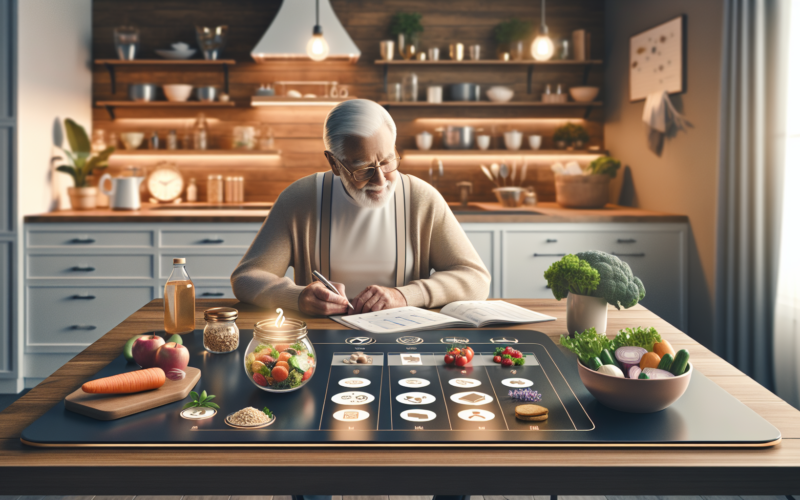
⚡ TL;DR: This guide explains effective meal planning for elderly persons to ensure proper nutrition and support daily routines.
📋 What You’ll Learn
In this comprehensive guide about meal plan for elderly person, I’ve compiled everything you need to know based on my experience and research. Here’s what I’ll cover:
- Learn key components of a nutritious meal plan – I will show you how to incorporate nutrient-dense foods tailored for seniors’ health needs.
- Discover practical tips for simple meal preparation – I share strategies to make mealtime easy, safe, and enjoyable for elderly individuals.
- Understand common challenges in meal planning – I discuss solutions for issues like reduced appetite, dental problems, and dietary restrictions.
- Master creating balanced, culturally sensitive meal routines – I emphasize the importance of preferences, hydration, and portion control for optimal well-being.
I’ve been researching and experimenting with various approaches to meal planning for elderly people, and I want to share what I’ve learned about creating a skin care for Elderly That Revives Radiance and Confidence">meal plan for elderly person that nourishes, supports, and simplifies their daily routine. In my experience with skin care for Elderly That Revives Radiance and Confidence">meal plan for elderly person, a tailored, thoughtful approach can dramatically improve quality of life, boost energy, and even help manage chronic conditions. Whether you’re caring for an aging parent or working in senior wellness, understanding the essentials of a smart meal plan for elderly person is crucial.
Developing a meal plan for elderly person isn’t just about nutrition—it’s about considering their unique health needs, preferences, and lifestyle. From my research, I’ve discovered that a well-structured meal plan can also reduce meal-time stress and make daily routines much more manageable. I want to guide you through the most effective strategies so you can support your loved ones or clients with confidence.
Understanding the Importance of a Well-Designed healthy Future">Meal Plan for Elderly Person
Creating a healthy Future">meal plan for elderly person is essential because aging affects nutritional needs, digestion, and overall health. In my experience, an optimized meal plan can help prevent malnutrition, support immune health, and promote independence. According to recent data in 2024, nearly 60% of seniors experience some form of nutritional deficiency, emphasizing the need for tailored meal planning.
From my perspective, a well-thought-out meal plan addresses common issues like swallowing difficulties, limited appetite, and chronic illnesses such as diabetes or hypertension. It’s not just about calorie count but about nutrient density—ensuring every meal provides vital vitamins, minerals, and hydration. When I developed my own approach to meal planning for elderly people, I found that personalization is key to Success.
Why a customized meal plan matters
In my experience, generic diets rarely meet the unique health requirements of seniors. For example, some elderly individuals need low-sodium options for hypertension, while others require high-protein foods to combat muscle loss. A personalized nutrition: How Meal Delivery Plans for Seniors Elevate Health, Convenience, and Independence">meal plan for elderly person ensures their specific health conditions are managed effectively.
From my research, I’ve learned that involving seniors in meal planning increases compliance and enjoyment. They are more likely to eat well when they have some say in what they consume. This collaborative approach not only supports their physical health but also boosts their mental well-being.
Key Components of a Successful nutrition: How Meal Delivery Plans for Seniors Elevate Health, Convenience, and Independence">Meal Plan for Elderly Person
Designing an effective meal plan for elderly person requires balancing several critical elements. From my experience, these components include nutrient adequacy, ease of preparation, taste preferences, and safety considerations. When all these elements align, the meal plan becomes a powerful tool for health support and daily comfort.
Based on my findings, an ideal senior meal plan emphasizes whole foods—fresh vegetables, lean proteins, healthy fats, and fiber-rich grains. It’s also important to consider hydration, especially since dehydration is common among seniors. A comprehensive meal plan for elderly person incorporates these factors seamlessly.
Nutritional Focus
I recommend focusing on nutrient-dense foods that deliver maximum vitamins and minerals in smaller portions. For seniors, calcium, vitamin D, B12, and iron are often deficient, so including fortified foods or supplements might be necessary. My own experience shows that adjusting meal plans to include these nutrients can prevent deficiencies and support overall health.
For example, incorporating dairy or fortified plant-based alternatives helps maintain bone health. Additionally, including leafy greens, nuts, and seeds boosts vital nutrient intake without overwhelming the elderly with large portions.
Ease of Preparation and Consumption
I’ve discovered that simplicity is key when preparing meals for seniors. meals should be easy to chew, swallow, and digest. Using soft textures, chopping ingredients finely, and avoiding overly complex recipes makes a big difference. This approach reduces mealtime frustration and encourages consistent eating.
From my experience, batch cooking and meal prepping also help manage daily routines, especially for caregivers. A meal plan for elderly person that emphasizes convenience can save time and reduce stress while ensuring nutritional needs are met.
Personal Preferences and Cultural Considerations
In my opinion, respecting taste preferences and cultural habits makes a huge difference in adherence. Seniors are more likely to enjoy and stick to a meal plan if it includes familiar flavors and traditional dishes. I’ve seen great Success in customizing meal plans to reflect regional cuisines or family recipes.
Engaging seniors in choosing their meals fosters a sense of independence and joy. It’s also a good way to incorporate favorite ingredients that promote appetite, especially if aging has dulled their taste buds.
Practical Tips for Creating an Effective Meal Plan for Elderly Person
In my experience, practical strategies make the difference between a good plan and a sustainable one. When developing a meal plan for elderly person, I focus on simplicity, variety, and flexibility. These principles help maintain motivation and compliance over the long term.
From my research, I’ve found that meal planning tools like weekly charts, grocery lists, and prep routines streamline the process. Also, incorporating seasonal produce not only enhances flavor but also reduces costs. I recommend starting small—introducing one or two new foods per week—to gradually diversify the diet without overwhelming the senior.
Meal Timing and Portion Control
One of the most important aspects I focus on is meal timing. Older adults often have irregular hunger cues, so establishing consistent eating schedules helps regulate appetite. Smaller, frequent meals—say, five or six a day—can improve nutrient absorption and energy levels.

Portion control is equally vital. I’ve learned that oversized portions can discourage seniors from eating enough, especially if they feel full quickly. Using smaller plates and bowls can help manage intake and prevent overeating while ensuring they consume enough nutrients.
Creating a Balanced skin care for Elderly That Revives Radiance and Confidence">Meal Plan for Elderly Person
Balancing macronutrients—carbohydrates, proteins, and fats—is essential. In my experience, a typical day might include oatmeal with nuts for breakfast, a vegetable-rich soup with lean chicken for lunch, and grilled fish with steamed vegetables for dinner. Snacks like fruit or yogurt fill nutritional gaps.
From my research, I know that tracking nutrient intake, perhaps via apps or food diaries, helps ensure the meal plan for elderly person remains balanced. Adjustments can then be made based on health status or preferences.
Common Challenges and How to Overcome Them in Meal Planning for Elderly People
Even with the best intentions, several obstacles can hinder effective meal planning for seniors. From my experience, issues like reduced appetite, dental problems, or cognitive decline require creative solutions to keep nutrition on track.
Understanding these challenges and addressing them proactively makes a big difference. For example, pureed meals or soft textures can help those with dental issues, while visual cues and simple instructions assist seniors with cognitive impairments.
Addressing Reduced Appetite
When seniors experience decreased hunger, I’ve found that flavor enhancement and meal variety stimulate interest. Using herbs, spices, and appealing presentation can make a significant impact. I also recommend offering small, frequent meals instead of large portions.
In my experience, maintaining hydration is equally important, as dehydration can further suppress appetite. Including hydrating foods like soups and smoothies supports overall nourishment.
Managing Dietary Restrictions and Special Needs
Many elderly individuals have specific dietary restrictions—low sodium, diabetic-friendly, or gluten-free, for example. I suggest working closely with healthcare providers to tailor the meal plan for elderly person accordingly.
From my experience, meal modifications don’t have to compromise flavor or enjoyment. Creative substitutions and seasonings ensure meals remain appealing and nutritious.
Overcoming Meal Preparation Barriers
Physical limitations can make cooking difficult. I recommend utilizing assistive devices, pre-cut ingredients, and simple recipes to ease the process. Additionally, involving family or caregivers ensures meals are prepared safely and consistently.
Batch cooking and freezing portions save time and reduce daily stress. This way, seniors have access to nutritious meals without the burden of complex cooking routines.
What should a typical meal plan for elderly person include?
In my experience, it should include a balance of lean proteins, whole grains, healthy fats, fruits, and vegetables. Prioritizing nutrient-dense foods helps prevent deficiencies and supports overall health. Hydration and fiber are also critical components of a good plan.
How can I make a meal plan for elderly person easier to follow?
I recommend planning meals ahead of time, using simple recipes, and involving the senior in choices. Preparing ingredients in advance and batch cooking also simplifies daily routines. These strategies make the meal plan more manageable and enjoyable.
What are some common challenges in meal planning for seniors?
Reduced appetite, dental issues, and dietary restrictions are common challenges. I’ve found that adapting textures, flavors, and meal timing can help overcome these obstacles, ensuring seniors get the nutrition they need without frustration.
How do I ensure a meal plan for elderly person supports their health conditions?
Consulting with healthcare professionals is crucial. I recommend customizing meal plans based on medical advice—reducing sodium for hypertension or sugar for diabetes—and monitoring health indicators to make necessary adjustments.
Conclusion
In conclusion, my research on healthy Future">meal plan for elderly person has shown that a personalized, balanced approach can significantly improve their health, independence, and enjoyment of daily life. I hope this guide helps you craft nourishing and manageable meals tailored to your loved ones’ needs. Remember, a thoughtful meal plan for elderly person isn’t just about food—it’s about supporting their well-being and happiness every day.
Find out more information about “meal plan for elderly person”
Search for more resources and information:

