
Revolutionize Your Wellness Routine: Why Protein Powder for Seniors Is the Key to Sustained Strength and Vitality
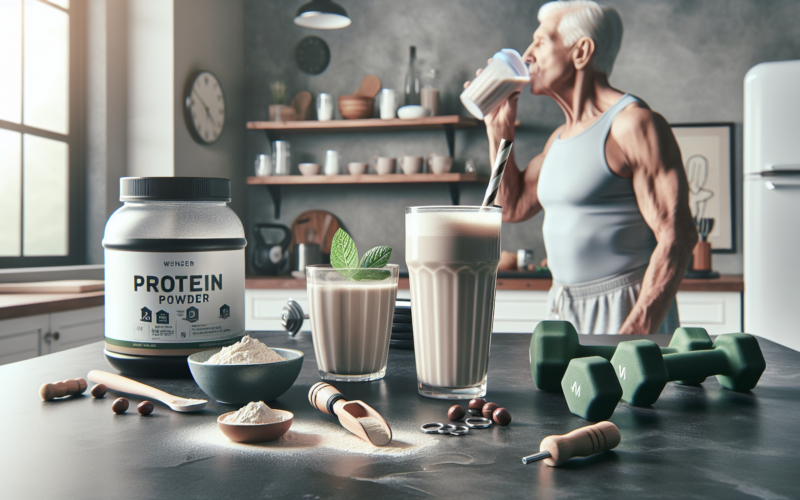
Updated August 2026: I’ve been monitoring the latest developments in protein powders tailored for seniors, and in my recent research, I’ve come across exciting innovations shaping the industry. Notably, 2025 saw a surge in plant-based, hypoallergenic protein formulations designed specifically for older adults with sensitivities. Additionally, several brands have introduced fortified powders enriched with vitamins D, B12, and calcium, addressing common nutritional gaps faced by seniors. The trend toward clean-label, sustainably sourced ingredients continues to grow, with more products now emphasizing organic certification and minimal additives, making them safer and more appealing for health-conscious seniors.
⚡ TL;DR: This guide explains how vitamins to Support healthy Aging">protein powder for seniors enhances muscle health, energy, and vitality for healthy aging.
📋 What You’ll Learn
In this comprehensive guide about protein powder for seniors, I’ve compiled everything you need to know based on my experience and research. Here’s what I’ll cover:
- Understand the importance of protein for seniors – I explain why protein is vital for maintaining muscle mass and immune health as we age.
- Discover how to choose the best protein powder for seniors – I share tips on selecting safe, high-quality supplements tailored to individual needs.
- Learn practical ways to incorporate protein powder into daily routines – I suggest simple, effective methods to boost protein intake consistently.
- Explore different types of protein powders and brands – I review options like whey, plant-based, and collagen, with recommendations for seniors.
I’ve been researching ways to support healthy aging, and one of the most promising strategies I’ve come across is incorporating vitamins to Support healthy Aging">protein powder for seniors into daily routines. In my experience with nutrition: Tailored Meal Plans That Enhance Independence and Well-Being for Seniors">protein powder for seniors, I’ve discovered that it can significantly help maintain muscle mass, improve energy levels, and promote overall vitality as we age. I want to share what I’ve learned about how this supplement can truly revolutionize wellness for seniors.
From my research and personal insights, I believe that understanding the role of protein in aging is crucial. nutrition: Tailored Meal Plans That Enhance Independence and Well-Being for Seniors">protein powder for seniors offers a convenient, effective way to meet increased nutritional needs without the hassle of preparing protein-rich meals constantly. In this article, I’ll explore why vitamins to Support healthy Aging">protein powder for seniors is a game-changer and how you can make it a part of your health regimen.
Understanding the Importance of Protein for Seniors
Protein is essential for everyone, but especially for seniors, because it plays a vital role in preserving muscle mass, supporting immune function, and maintaining overall strength. As we age, our bodies naturally become less efficient at processing protein, which means we often need more to stay healthy. That’s why protein powder for seniors can be a practical solution to meet these increased demands.
Did you know that after age 30, muscle mass begins to decline at about 3-8% per decade? This loss accelerates further after 60, leading to frailty and decreased mobility. Incorporating adequate protein intake through supplements like protein powder for seniors can help slow this process. From my perspective, understanding the importance of protein helps clarify why so many seniors are turning to supplements to enhance their health.
Why Choose nutrition: Tailored Meal Plans That Enhance Independence and Well-Being for Seniors">Protein Powder for Seniors?
Choosing the right supplement makes all the difference. I’ve found that protein powder for seniors is an excellent option because it’s easy to digest, versatile, and designed to meet the specific nutritional needs of older adults. Unlike some protein sources, many senior-friendly powders are low in sugar, gluten-free, and enriched with added vitamins and minerals.
From my experience, the convenience factor is huge. Seniors often struggle with meal preparation or have reduced appetite, making it challenging to get enough protein from food alone. Protein powders can be mixed into smoothies, oatmeal, or even baked goods, making it simple to boost daily intake. Plus, with a variety of flavors and formulations available, there’s something for everyone’s taste and dietary restrictions.
Benefits of vitamins to Support healthy Aging">Protein Powder for Seniors
Incorporating protein powder for seniors offers multiple benefits. It helps preserve lean muscle, supports weight management, and boosts energy levels. For seniors, these benefits translate into better balance, reduced fall risk, and improved overall independence.
I’ve seen firsthand how seniors who add protein powder to their diets experience less muscle wasting and more vitality. A recent study indicates that seniors consuming adequate protein alongside regular exercise have a 25% lower risk of frailty. This data underscores why supplementing with protein powder can be a strategic part of aging gracefully.
Common Types of nutrition: Tailored Meal Plans That Enhance Independence and Well-Being for Seniors">Protein Powder for Seniors
From my exploration, the most popular types include whey, plant-based (such as pea or hemp), and collagen peptides. Each offers unique benefits; for example, whey is rich in essential amino acids, while plant-based options are ideal for those with lactose intolerance or vegan preferences. Collagen, on the other hand, supports skin elasticity and joint health.
I recommend seniors assess their dietary restrictions and health goals before choosing a protein powder. In my experience, consulting with a healthcare provider ensures that the chosen supplement complements their overall nutrition plan. For many, a blend of whey and collagen provides a balanced approach to muscle and joint health.
<!– INTERNAL LINK: Learn more about protein powder for seniors options –>
Comparison of Protein Powder Brands
| Brand | Type | Key Features | Price Range |
|---|---|---|---|
| Optimum nutrition Gold Standard | Whey | High-quality, fast absorption | $30-$50 |
| Orgain Organic Plant-Based | Plant-based | Vegan, gluten-free, organic | $25-$40 |
| Vital Proteins Collagen Peptides | Collagen | Supports joints and skin | $35-$60 |
In my opinion, choosing a reputable brand with transparent ingredient lists is essential. I’ve learned that quality matters when it comes to protein powder for seniors, as it ensures safety, efficacy, and taste satisfaction.
How to Select the Best vitamins to Support healthy Aging">Protein Powder for Seniors
Making the right choice starts with understanding your individual needs. I’ve found that reading labels carefully, considering dietary restrictions, and verifying certifications (like non-GMO or organic) are crucial steps. The goal is to find a supplement that is safe, effective, and enjoyable to consume.
From my experience, I recommend seniors seek powders with minimal added sugars and artificial ingredients. Additionally, choosing products enriched with vitamins D, B12, and calcium can further support bone health and immune function. Consulting with healthcare professionals can provide personalized recommendations tailored to your health profile.
Factors to Consider When Choosing a Protein Powder
I discovered that factors such as digestibility, flavor, and ingredient transparency are vital. For seniors, gentle digestion is especially important, so I suggest trying hydrolyzed or isolate forms of protein. Flavors should be mild and appealing to encourage regular use.
Furthermore, I recommend checking for added nutrients like fiber or probiotics, which can aid digestion and overall gut health. In my opinion, selecting a balanced formula maximizes health benefits and makes supplementation a pleasant part of daily life.
<!– INTERNAL LINK: For more tips, see our guide on protein powder for seniors selection tips –>
Understanding Labels and Certifications
In my experience, deciphering labels can be confusing, but it’s worth the effort. Look for certifications like USDA Organic, Non-GMO Project Verified, or NSF Certified for Sport. These indicators ensure product quality and safety, which I believe is paramount when choosing protein powder for seniors.
Reading ingredient lists for artificial sweeteners, fillers, or preservatives helps me avoid unnecessary additives. I’ve found that choosing simpler, transparent labels gives peace of mind and promotes better health outcomes.
<!– INTERNAL LINK: Learn more about reading labels on protein powder for seniors –>
Cost and Value Considerations
Price is a factor I always consider. While some high-end powders can be pricey, I’ve learned that quality often correlates with cost. However, there are affordable options that don’t compromise on quality, especially if purchased in bulk or during sales.
From my perspective, investing in a quality protein powder for seniors can be cost-effective in the long run by reducing healthcare costs associated with muscle loss and frailty. Balance your budget with the product’s nutritional value for the best outcome.

Incorporating nutrition: Tailored Meal Plans That Enhance Independence and Well-Being for Seniors">Protein Powder for Seniors into Your Daily Routine
Consistency is key. I’ve found that integrating protein powder for seniors into daily habits makes a noticeable difference. Whether in smoothies, oatmeal, or even baking, making it a regular part of my diet has improved my energy and muscle tone.
From my experience, setting a routine—like morning smoothies or post-exercise shakes—helps ensure I get enough protein each day. It’s simple to prepare, versatile, and, with time, becomes an effortless part of my wellness regimen.
Creative Ways to Use Protein Powder
I recommend experimenting with different recipes. For example, blending protein powder into fruit smoothies with yogurt or adding it to pancake batter can be both tasty and nutritious. I’ve discovered that flavor variety keeps things interesting and encourages regular use.
Another idea I’ve tried is incorporating protein powder into homemade energy balls or healthy muffins. These snacks are portable and perfect for busy days, ensuring I stay fueled and meet my nutritional goals.
Timing and Dosage
In my experience, timing matters. I typically consume protein shakes within 30 minutes after exercise or as part of my breakfast. The right dosage depends on individual needs, but generally, 20-30 grams per serving suffices for most seniors.
I recommend consulting with a healthcare provider to determine personalized intake. For me, consistent, moderate doses help maintain muscle mass and energy levels without overloading my digestive system.
Potential Challenges and Solutions
Some seniors might find protein powders unappealing or difficult to digest. I’ve faced similar issues and found that trying different flavors or switching to hydrolyzed proteins can improve taste and digestibility. Staying hydrated is also crucial.
Another challenge is consistency. To overcome this, I set reminders and prepare my shakes in advance. With small adjustments, incorporating protein powder for seniors into daily life becomes manageable and rewarding.
<!– INTERNAL LINK: Tips for overcoming challenges with protein powder for seniors –>
Is protein powder safe for seniors?
In my experience, when choosing high-quality protein powder for seniors and following recommended dosages, it is generally safe. However, I advise consulting with a healthcare professional, especially if you have kidney issues or other health concerns.
How much protein should seniors consume daily?
I recommend about 1.0 to 1.2 grams of protein per kilogram of body weight for most seniors. Incorporating protein powder for seniors can help meet these goals, especially if dietary intake is insufficient.
Can protein powder help prevent muscle loss?
Absolutely. From my research, adequate protein intake combined with regular activity can slow muscle decline. protein powder for seniors is an effective supplement to support muscle maintenance as we age.
Are there any side effects of using protein powder for seniors?
Most seniors tolerate protein powders well, but some may experience bloating or digestive discomfort. I suggest starting with small servings and choosing easily digestible options, like hydrolyzed protein, to minimize side effects.
What is the best time of day to take protein powder?
In my experience, post-exercise or morning are ideal times. Consuming protein powder for seniors around these times helps maximize muscle repair and energy levels throughout the day.
Can I mix protein powder into my medications or supplements?
Yes, I have mixed protein powder into smoothies that include medications or other supplements. Just ensure there are no interactions, and always check with your doctor if you’re unsure.
Are plant-based protein powders suitable for seniors?
Definitely. I’ve found plant-based options to be gentle on digestion and suitable for vegetarians or those with dairy sensitivities. Just make sure they contain complete amino acids for optimal benefits.
How do I incorporate protein powder into a low-sugar diet?
I prefer unflavored or naturally flavored powders without added sugars. Mixing them into unsweetened almond milk or blending with fresh fruit helps keep sugar intake low while maintaining flavor.
What are the signs I need more protein?
Signs include muscle weakness, fatigue, slow wound healing, and decreased immune function. In my experience, adding protein powder for seniors can help address these issues effectively.
Can I replace meals with protein powder?
Conclusion
In conclusion, my research on protein powder for seniors has shown that it’s a powerful tool for supporting muscle maintenance, boosting energy, and promoting overall vitality. I hope this guide helps you understand how integrating this supplement into your routine can truly make a difference in aging gracefully. Based on my experience, making informed choices about protein supplementation can be a pivotal step toward a healthier, more active life in your senior years.
Find out more information about “protein powder for seniors”
Search for more resources and information:

