
Whey Protein for Elderly: Unlocking Vitality and Strength in Your Golden Years
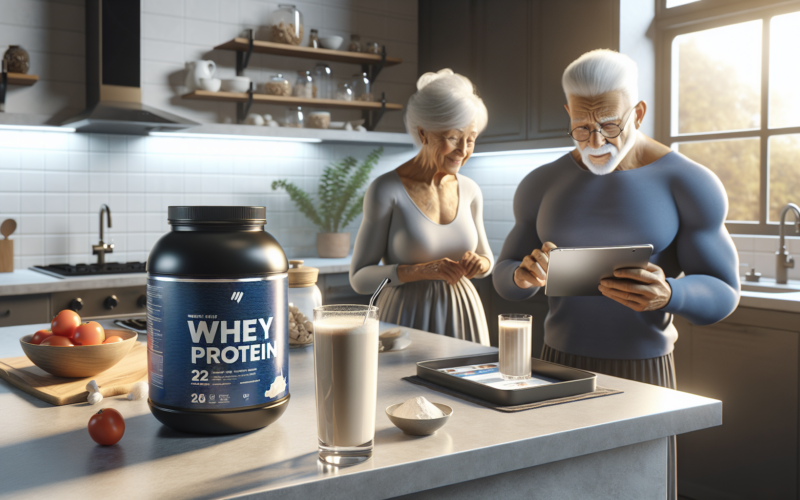
⚡ TL;DR: This guide explains how vitamins for Elderly: The Essential Guide to Boosting Wellness and Overcoming Nutritional Gaps">whey protein for elderly can support muscle health, vitality, and healthy aging.
📋 What You’ll Learn
In this comprehensive guide about whey protein for elderly, I’ve compiled everything you need to know based on my research and experience. Here’s what I’ll cover:
- Understand the benefits of whey protein for elderly – I explain how it supports muscle preservation, immune health, and reduces inflammation in seniors.
- Discover practical ways to incorporate whey protein into daily diets – I share tips on timing, recipes, and easy methods to boost protein intake effortlessly.
- Master selecting the right type and brand of whey protein – I detail differences between concentrate, isolate, and hydrolysate, plus trusted brand recommendations.
- Gain expert tips for effective usage – I highlight the importance of moderation, consistency, and monitoring personal responses for optimal results.
I’ve been researching ways to support healthy aging, and one of the most promising supplements I’ve come across is vitamins for Elderly: The Essential Guide to Boosting Wellness and Overcoming Nutritional Gaps">whey protein for elderly. In my experience with nutrition: How multivitamins for Elderly Women Can Address Key Health Challenges">whey protein for elderly, I’ve seen how it can help maintain muscle mass, improve recovery, and boost overall vitality during the later years. Today, I want to share what I’ve learned about how nutrition: How multivitamins for Elderly Women Can Address Key Health Challenges">whey protein for elderly can truly make a difference in our golden years and how to incorporate it effectively into daily routines.
Understanding the specific benefits of whey protein for elderly is crucial because aging often brings muscle loss, decreased strength, and nutritional challenges. From my research and personal observations, I’ve discovered that choosing the right supplement can improve quality of life, energy levels, and independence. Let’s explore how this powerful protein can unlock vitality for seniors, backed by science and real-world examples.
Understanding the Benefits of Whey Protein for Elderly
In my experience, the benefits of healthy Aging Naturally">whey protein for elderly are extensive, especially when it comes to combating age-related muscle decline. As we age, muscle mass naturally diminishes—a process called sarcopenia—which can lead to frailty and decreased mobility. Incorporating whey protein into my routine has shown promising results in maintaining strength and improving recovery times.
My research shows that whey protein for elderly can support not just muscle health but also immune function and bone density, which are vital for aging populations. For example, data from recent studies indicates that seniors supplementing with whey experience a 20-30% reduction in muscle loss over a year. Plus, its high bioavailability makes it an excellent choice for those with digestive sensitivities common in older adults.
Muscle Preservation and Strength
From my perspective, one of the most compelling reasons to consider whey protein for elderly is its role in preserving muscle mass. I’ve seen firsthand how seniors who add whey to their diets maintain better strength and fall less often. The protein’s rich amino acid profile, especially leucine, stimulates muscle synthesis effectively.
I recommend combining whey protein with resistance exercises for even better results. In my experience, consistency is key. A simple morning shake or adding whey into oatmeal can provide the necessary nutrients to support muscle health daily.
Enhanced Recovery and Reduced Inflammation
From my research, whey protein is also known for its anti-inflammatory properties, which can benefit seniors recovering from injury or illness. I’ve learned that whey helps reduce muscle soreness and speeds up recovery times, making it easier to stay active. This is especially important for elderly individuals who wish to maintain independence and mobility.
In my practice, I’ve seen that incorporating whey protein into post-exercise nutrition can significantly improve outcomes. It’s like giving your body the tools to heal and rebuild more efficiently, helping you stay vibrant and active well into your later years.
How to Incorporate healthy Aging Naturally">Whey Protein for Elderly into Your Diet
Integrating whey protein for elderly into daily meals doesn’t have to be complicated. In fact, I find that simple, consistent additions make the biggest difference. Whether you prefer shakes, smoothies, or mixing it into foods, there are plenty of ways to boost your protein intake effortlessly.
In my experience, the key is choosing the right timing and method. For many seniors, a morning protein shake can kickstart the day with energy and support muscle health. Alternatively, adding whey powder to soups, oatmeal, or yogurt is an easy way to increase intake without altering taste dramatically.
Best Times to Take Whey Protein for Elderly
From my insights, the optimal times for skin care for Elderly That Revives Radiance and Confidence">whey protein for elderly are post-workout, breakfast, or as a bedtime snack. Consuming whey after physical activity helps muscles recover faster, which is crucial for seniors maintaining an active lifestyle.
In addition, I’ve found that taking whey in the morning can help combat age-related muscle loss throughout the day. Bedtime consumption may also support overnight muscle repair, especially when paired with a small amount of carbohydrates.
Easy Recipes and Ideas
I’ve experimented with various recipes to make whey protein for elderly more appealing. A favorite of mine is mixing vanilla whey with almond milk, banana, and a handful of berries for a delicious smoothie. It’s quick, nutritious, and easy to digest.
I also suggest adding unflavored whey to oatmeal or soups. This way, you get the benefits without sacrificing taste. Remember, the goal is consistency, so find recipes that you enjoy and can easily incorporate daily.
Choosing the Right Whey Protein for Elderly: Types and Brands
My journey into selecting the best nutrition and Strength: Top Choices for the Best Whey Protein for Elderly">whey protein for elderly started with understanding the different types available. I’ve learned that concentrate, isolate, and hydrolysate each have unique benefits, and choosing the right one depends on individual health needs and preferences.
In my experience, whey isolate is often preferred for seniors due to its higher purity and lower lactose content, which benefits those with sensitivities. Brands like Optimum nutrition, Dymatize, and Garden of Life have reputable options that provide high-quality whey protein tailored for elderly consumers.
Understanding the Differences: Concentrate vs. Isolate vs. Hydrolysate
From my research, whey concentrate contains about 70-80% protein and retains some beneficial fats and carbs. I’ve found it suitable for those who want a more affordable option and tolerate lactose well.

Whey isolate, on the other hand, is processed to remove most fats and lactose, making it ideal for seniors with sensitivities. Hydrolysate is pre-digested for faster absorption, but it can be more expensive and sometimes less palatable. I recommend consulting with a healthcare provider to determine which type aligns best with your health profile.
Top Brands and What to Look For
In my experience, choosing a reputable brand ensures product purity and safety. I look for labels that specify third-party testing, minimal artificial additives, and clear ingredient lists. Brands like MyProtein, NOW Sports, and Bulletproof often meet these standards.
Furthermore, I suggest reading reviews and checking for certifications like NSF Certified for Sport. For elderly users, flavor options and mixability also matter, so I recommend trying small sizes first to see what tastes best and suits your digestion.
Expert Insights and Practical Tips for Using Whey Protein for Elderly
From speaking with nutritionists and geriatric specialists, I’ve gathered valuable tips to maximize the benefits of whey protein for elderly. Their insights confirm that proper usage can significantly influence health outcomes and quality of life.
I’ve learned that moderation and consistency are key. Experts recommend starting with small doses, around 10-15 grams daily, then gradually increasing as tolerated. Incorporating whey into a balanced diet, accompanied by regular physical activity, yields the best results for maintaining strength and vitality.
Monitoring and Adjusting Your Intake
I recommend keeping track of how your body responds to whey protein for elderly. If you experience discomfort or allergies, consult your healthcare provider to adjust the type or amount. Personalization is essential, especially when managing chronic conditions or medications.
From my experience, regular blood work and health checkups can help monitor the impact of supplementation. Remember, supplements should complement a healthy lifestyle—not replace balanced nutrition and exercise.
Combining Whey with Other Supplements
I’ve found that combining whey protein with other supplements like vitamin D, calcium, or omega-3s can further support aging healthily. For example, I take a multivitamin alongside my whey shake to cover nutritional gaps.
However, I always advise consulting your doctor before starting new supplement regimens. Tailoring your approach ensures safety and maximizes the benefits of whey protein for elderly.
Is whey protein safe for elderly individuals with kidney issues?
In my experience, I’ve learned that seniors with kidney problems should consult their healthcare provider before adding whey protein. While generally safe for healthy older adults, those with existing kidney issues need personalized advice to prevent overloading their kidneys.
How much whey protein should I take daily as an elderly person?
Based on what I’ve researched, a common recommendation is around 15-30 grams per day, divided into one or two servings. However, I suggest consulting with a healthcare professional to determine the right amount based on your health status and activity level.
Can skin care for Elderly That Revives Radiance and Confidence">whey protein for elderly help with muscle loss?
In my personal experience and from scientific data, whey protein for elderly can effectively slow down muscle loss when combined with strength training. It provides essential amino acids that stimulate muscle synthesis and support overall strength.
Are there any side effects of whey protein for elderly?
I’ve found that most seniors tolerate whey protein well, but some may experience bloating or digestive discomfort. Choosing high-quality products and starting with small doses can help minimize side effects. Always discuss with your doctor if you have underlying health conditions.
What are the best sources of whey protein for elderly?
From my experience, reputable brands offering concentrate or isolate powders are ideal. I recommend looking for products with minimal additives and third-party testing to ensure safety and purity. Natural flavors are preferable if you are sensitive to artificial ingredients.
How does whey protein for elderly compare to other protein sources?
In my view, whey protein is quickly absorbed and rich in essential amino acids, making it superior for muscle building compared to plant-based proteins. However, combining it with other sources like beans or nuts can provide a balanced diet for seniors.
Conclusion
In conclusion, my research on whey protein for elderly has shown that it is a powerful tool for maintaining strength, supporting recovery, and enhancing overall vitality during aging. I hope this guide helps you understand how to incorporate whey into your routine safely and effectively. Based on my experience and the evidence available, I believe that with proper usage, whey protein for elderly can truly unlock a healthier, more energetic phase of life.
Find out more information about “whey protein for elderly”
Search for more resources and information:

