
Effective Tips on How to Stop Hair Loss in Elderly Women
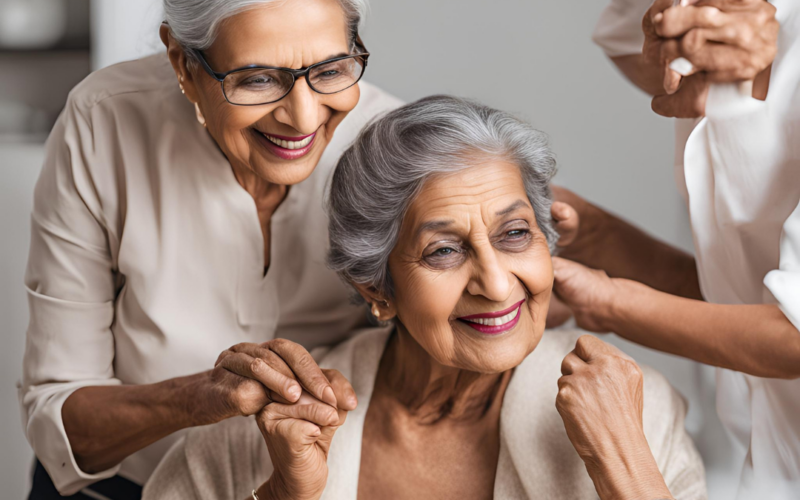
As we age, many aspects of our bodies change, and hair is no exception. For elderly women, hair thinning and hair loss can be a common concern. This process is often gradual, but it can become more noticeable as the years go by, affecting not only appearance but also confidence. Understanding how to stop hair loss in elderly women and maintain healthy, vibrant hair is possible with the right care and attention.
In this article, we will explore the causes of hair loss in elderly women, discuss effective strategies to reduce it, and offer practical tips to help maintain thick, healthy hair well into the golden years. Whether you’re noticing the first signs of thinning or have been dealing with hair loss for some time, there are plenty of ways to support your hair’s health as you age.
Understanding Hair Loss in Elderly Women
Hair loss in elderly women can result from a variety of factors, including hormonal changes, nutritional deficiencies, and even the natural aging process. It’s important to recognize that some hair loss is normal as we age, but excessive hair loss or thinning can often be slowed or managed with proper care.
Here are some of the most common causes of hair loss in elderly women:
1. Hormonal Changes
As women age, they experience a natural decline in hormone levels, especially estrogen. Estrogen plays a significant role in maintaining hair health, and its reduction during and after menopause can lead to hair thinning or hair loss. This condition, known as female pattern hair loss (FPHL), is one of the most common forms of hair loss in elderly women. It usually affects the crown and top of the scalp.
2. Nutritional Deficiencies
As we get older, it can become harder for our bodies to absorb the essential nutrients needed for hair growth and maintenance. A diet lacking in vitamins like biotin, iron, zinc, and vitamins D and B12 can contribute to hair thinning. Ensuring you get adequate nutrition is essential for overall health, including the health of your hair.
3. Health Conditions and Medications
Certain health conditions, such as thyroid disorders, autoimmune diseases, and chronic stress, can impact hair health. Additionally, some medications commonly prescribed for age-related issues—like blood pressure medications, cholesterol-lowering drugs, and certain types of chemotherapy—can have hair loss as a side effect.
4. Genetics and Aging
Genetics play a large role in how and when hair loss occurs. If women in your family experienced hair thinning or loss as they aged, you might be predisposed to it as well. Aging naturally leads to slower hair growth, and hair that is more prone to breakage or falling out.
How to Stop Hair Loss in Elderly Women: Key Strategies
While it may not be possible to completely stop hair loss, there are several strategies that can help slow the process, promote healthier hair growth, and reduce further thinning. Here’s how to stop hair loss in elderly women using a holistic approach:
1. Nourish Your Hair from the Inside Out
A healthy diet plays a critical role in maintaining strong hair. Ensure you’re getting enough protein, as hair is made of a protein called keratin. Lean meats, fish, eggs, and legumes are all excellent sources. Additionally, ensure you consume essential vitamins and minerals:
- Biotin: Often referred to as the “hair vitamin,” biotin is crucial for hair health. Foods like eggs, nuts, and seeds are rich in biotin.
- Iron: Iron deficiency is linked to hair loss. Include iron-rich foods like spinach, lentils, and lean red meat in your diet.
- Omega-3 Fatty Acids: These healthy fats, found in fish like salmon and in flaxseed, help maintain scalp health and promote hair growth.
If you struggle to get enough nutrients from your diet, talk to your healthcare provider about supplements. multivitamins formulated for hair, skin, and nails can help provide the extra boost your hair may need.
2. Use Gentle Hair Care Products
Switching to gentle, nourishing hair care products can make a significant difference in the health of your hair. Look for shampoos and conditioners that are sulfate-free, as harsh sulfates can strip your hair of its natural oils, leading to dryness and breakage. Products formulated specifically for thinning or aging hair often contain ingredients that can promote volume and protect against further loss.
Incorporate a leave-in conditioner or hair mask into your routine to add moisture and strengthen fragile strands. Choose products that contain natural oils like argan oil, coconut oil, or jojoba oil, which nourish and protect the hair shaft.
3. Be Gentle with Your Hair
How you handle your hair on a daily basis can either promote or prevent breakage and thinning. Avoid excessive heat styling, such as blow-drying, curling, or straightening, as high heat can weaken your hair over time. If you do use heat styling tools, always apply a heat protectant spray beforehand to minimize damage.
Brushing your hair too roughly or frequently can also cause breakage, especially as hair becomes more fragile with age. Use a wide-tooth comb or a brush with soft bristles to detangle your hair gently, starting from the ends and working your way up to avoid pulling at the roots.
4. Consider Medical Treatments
If hair loss is severe, medical treatments may help. Minoxidil, a topical solution commonly known as Rogaine, is FDA-approved for female pattern hair loss and can be effective in promoting hair regrowth and slowing hair loss. It’s available over-the-counter and can be applied directly to the scalp.
In more advanced cases, other treatments like platelet-rich plasma (PRP) therapy, laser therapy, or even hair transplant surgery may be options. Consult a dermatologist or healthcare provider to explore the most appropriate treatment for your specific situation.
5. Manage Stress Levels
Chronic stress can trigger hair loss by pushing hair follicles into a resting phase, leading to shedding. Techniques like meditation, deep breathing, yoga, or regular physical activity can help manage stress and promote a sense of well-being, which in turn supports healthier hair growth.
6. Scalp Massage and Stimulation
Regularly massaging your scalp can increase blood flow to the hair follicles, promoting healthier hair growth. You can use your fingertips to gently massage your scalp for a few minutes each day or invest in a scalp massaging tool. Some hair care products designed for hair loss also contain ingredients like caffeine, which can stimulate the scalp and encourage hair growth.
Conclusion
Hair loss in elderly women is a common experience, but it doesn’t have to define how you feel about your appearance. By understanding the causes of hair loss and implementing the strategies outlined above, you can help slow down the process and maintain healthy, beautiful hair as you age.
From nourishing your body with the right nutrients to being gentle with your hair care routine, taking a proactive approach to hair health can make all the difference. Remember that the goal is not just about how to stop hair loss in elderly women, but also about embracing and caring for the hair you have, keeping it strong, healthy, and vibrant as you age gracefully.

