
Enjoy Pain-Free Steps: Walking in Comfort for Seniors
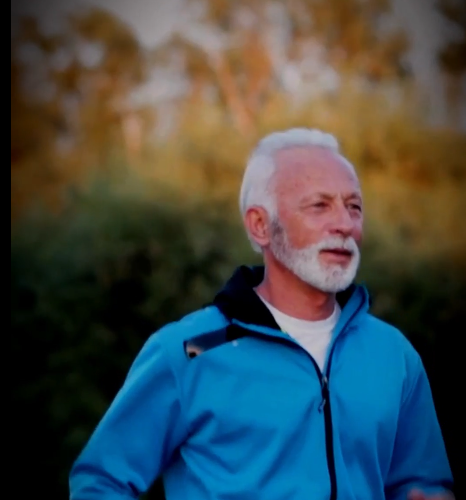
Walking is one of the simplest and most effective ways to maintain physical mobility and overall well-being as we age. For senior citizens, walking offers countless benefits—from improving cardiovascular health to boosting mental clarity. However, for many older adults, discomfort while walking can hinder this essential activity. The good news? With the right techniques, footwear, and habits, walking in comfort can become an enjoyable and pain-free experience.
In this guide, we’ll explore the importance of physical mobility, common challenges seniors face while walking, and practical solutions to make every step comfortable.
Why Walking Matters for Senior Citizens
Walking is a low-impact exercise that provides significant health benefits, including:
- Improved Heart Health: Walking strengthens the heart, lowers blood pressure, and reduces the risk of heart disease.
- Joint Health: Gentle walking keeps joints lubricated, reducing stiffness and pain associated with arthritis.
- Enhanced Balance and Coordination: Regular walking strengthens leg muscles and improves stability, reducing the risk of falls.
- Mental Well-Being: Walking releases endorphins that can improve mood, reduce anxiety, and combat feelings of loneliness.
- Weight Management: A daily walking routine helps maintain a healthy weight, reducing strain on the joints.
Simply put, walking is a cornerstone of healthy aging—but it needs to be done comfortably and safely.
Common Challenges Seniors Face While Walking
For many senior citizens, walking isn’t always easy. Age-related changes in the body can make walking uncomfortable or even painful. Here are some of the most common issues:
- Foot Pain: Conditions like bunions, plantar fasciitis, and corns can cause significant discomfort.
- Joint stiffness: Arthritis and general wear-and-tear on the joints can lead to stiffness in the knees, hips, and ankles.
- Poor Balance: Age-related muscle loss and reduced flexibility can make it difficult to maintain balance while walking.
- Inappropriate Footwear: Wearing shoes that lack support can exacerbate foot pain and make walking more difficult.
- Fatigue: Lack of strength or endurance may cause seniors to tire quickly, discouraging longer walks.
By identifying these challenges, we can take actionable steps to overcome them and ensure walking remains a comfortable part of daily life.
Tips for Walking in Comfort
The key to walking in comfort lies in preparation and consistency. Here are practical tips to make walking an enjoyable and pain-free activity:
1. Choose the Right Footwear
Proper shoes are essential for walking comfort. Look for footwear with:
- Cushioned Insoles: To absorb shock and reduce pressure on the feet.
- Arch Support: To prevent foot pain and promote stability.
- Non-Slip Soles: To reduce the risk of slipping or falling.
- Roomy Toe Box: To accommodate foot conditions like bunions or swelling.
Consider visiting a specialty store where experts can help you find the best-fitting shoes for your needs.
2. Warm Up and Stretch Before Walking
Before heading out for a walk, take 5-10 minutes to stretch and warm up your body. Gentle stretches for the calves, hamstrings, and ankles can improve flexibility and reduce stiffness. Warming up helps prepare the muscles and joints for movement.
3. Start Slow and Build Gradually
If you’re new to walking or haven’t been active in a while, start slow. Begin with short, manageable walks (10-15 minutes) and gradually increase the duration and pace over time. Listen to your body and rest if needed.
4. Use Walking Aids If Necessary
For those with balance concerns or joint pain, walking aids like canes, walking sticks, or walkers can provide stability and confidence. Modern walking aids are lightweight, ergonomic, and designed for comfort.
5. Walk on Even Surfaces
Uneven terrain can increase the risk of trips and falls. Choose smooth, flat surfaces like sidewalks, walking tracks, or indoor malls for a safer walking experience. If you enjoy nature trails, opt for paths that are well-maintained and free of obstacles.
6. Maintain Good Posture
Walking with proper posture helps prevent unnecessary strain on the back and joints. Keep these tips in mind:
- Stand tall with shoulders back and relaxed.
- Keep your head up and gaze forward.
- Engage your core muscles for stability.
7. Stay Hydrated
Dehydration can lead to fatigue, muscle cramps, and dizziness. Carry a small water bottle and take regular sips during your walk, especially on warm days.
Simple Mobility Exercises to Support Comfortable Walking
Incorporating gentle exercises into your routine can improve strength, flexibility, and balance—all of which support comfortable walking.
- Heel and Toe Lifts: Stand tall and alternate between lifting your heels and toes. This strengthens the ankles and improves balance.
- Seated Leg Lifts: While sitting in a chair, extend one leg straight out and hold for a few seconds. Switch sides and repeat.
- Ankle Circles: While seated, rotate your ankles in clockwise and counterclockwise directions to loosen the joints.
- Side Leg Raises: Stand next to a chair for support and lift one leg to the side. Repeat on the other side.
Perform these exercises for 5-10 minutes daily to enhance mobility.
Make Walking a Social and Enjoyable Activity
Walking doesn’t have to be a solitary task. Invite friends, join a local walking group, or explore scenic parks to make it a fun and social experience. Walking with others not only motivates you to stay consistent but also boosts emotional well-being.
Final Thoughts
Walking in comfort is essential for senior citizens to maintain physical mobility, independence, and overall health. By addressing common challenges, choosing proper footwear, and incorporating simple exercises, walking can become a joyful part of daily life.
Remember, every step you take is an investment in your health and happiness. Whether it’s a stroll around the neighborhood, a walk through the park, or laps at the local mall, walking in comfort allows you to enjoy the freedom and benefits of staying active—one step at a time.
So, lace up your shoes, stand tall, and take that first step toward a healthier, more comfortable life!


