
How to Improve Mobility in Elderly Adults for Active Living
As we age, maintaining physical mobility becomes increasingly important for overall health, independence, and quality of life. For many senior citizens, however, mobility can decline due to various factors, including chronic conditions, reduced physical activity, and muscle weakness. Fortunately, there are numerous strategies to improve mobility in elderly adults, allowing them to stay active and engaged in their daily lives. This article explores the importance of mobility, common challenges seniors face, and practical tips for enhancing mobility and promoting a healthier lifestyle.
The Importance of Mobility for Seniors
Mobility is not just about being able to walk from one place to another; it encompasses a range of physical activities, including standing, sitting, climbing stairs, and performing daily tasks. For seniors, maintaining mobility is crucial for several reasons:
- Independence: Improved mobility allows seniors to perform daily activities independently, such as grocery shopping, attending social events, or visiting friends and family.
- Health Benefits: Regular physical activity supports cardiovascular health, strengthens muscles, and enhances flexibility and balance. These factors are vital for preventing falls, a common concern among seniors.
- Mental Well-Being: Staying mobile can boost mood, reduce feelings of isolation, and enhance cognitive function. Engaging in physical activities often leads to social interactions, which are essential for emotional health.
- Chronic Disease Management: For seniors with chronic conditions, such as arthritis or diabetes, maintaining mobility is vital for managing symptoms and preventing complications.
Common Challenges to Mobility in Seniors
Several factors can contribute to decreased mobility in elderly adults. Understanding these challenges is the first step in addressing them:
- Physical Limitations: Conditions such as arthritis, osteoporosis, and stroke can limit movement and make activities painful or difficult.
- Muscle Weakness: Aging often leads to a natural decline in muscle strength, making it harder to perform tasks that require physical effort.
- Balance Issues: Seniors may experience balance problems due to inner ear issues, vision impairment, or neurological conditions, increasing the risk of falls.
- Sedentary Lifestyle: A lack of regular physical activity can exacerbate mobility issues. Seniors may become less active due to fear of falling or a lack of motivation.
- Medications: Some medications can cause dizziness or fatigue, further hindering mobility. It’s essential to consult healthcare providers about medication side effects.
Practical Tips on How to Improve Mobility in Elderly Adults
Improving mobility in elderly adults requires a multifaceted approach that combines physical activity, lifestyle adjustments, and support. Here are some practical tips to enhance mobility:
1. Engage in Regular Physical Activity
Encouraging regular exercise is one of the most effective ways to improve mobility. Here are some suitable activities for seniors:
- Walking: A simple yet effective way to stay active, walking can be adjusted to fit individual fitness levels. Start with short distances and gradually increase the duration and intensity.
- Strength Training: Incorporating light weights or resistance bands can help build muscle strength. Exercises like seated leg lifts, wall push-ups, and bicep curls are great for seniors.
- Balance Exercises: Activities such as tai chi, yoga, or simple balance exercises (like standing on one leg) can help improve stability and prevent falls.
- Stretching: Regular stretching can enhance flexibility and reduce stiffness. Gentle stretching exercises can be done at home or in a group setting.
2. Create a Safe Environment
Making the home environment safer can significantly enhance mobility and reduce the risk of falls. Consider the following modifications:
- Declutter: Keep walkways clear of obstacles, such as furniture or rugs, to prevent tripping hazards.
- Install Handrails: Adding handrails in stairways and grab bars in bathrooms can provide additional support for seniors as they move around the home.
- Improve Lighting: Ensure that all areas of the home are well-lit, including hallways and staircases. Night lights can also help seniors navigate safely during the night.
3. Utilize Mobility Aids
Mobility aids can provide the support and stability needed to enhance movement:
- Canes and Walkers: These devices can help seniors maintain balance and stability while walking.
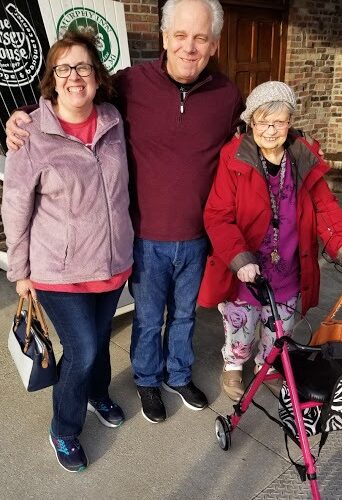
- Rollators: A rollator is a walker with wheels that allows seniors to rest when needed, making it easier to navigate longer distances.
- Raised Toilet Seats and Shower Chairs: These modifications can make using the bathroom and showering more accessible and safer.
4. Stay Hydrated and Nourished
Proper nutrition and hydration play a crucial role in maintaining mobility:
- Hydration: Encourage seniors to drink plenty of water throughout the day to prevent dehydration, which can lead to fatigue and muscle weakness.
- Balanced Diet: A well-balanced diet rich in fruits, vegetables, whole grains, lean proteins, and healthy fats can provide the necessary nutrients for muscle strength and overall health.
5. Regular Health Check-Ups
Encouraging seniors to attend regular health check-ups can help identify any underlying medical issues that may affect mobility. Healthcare providers can assess physical conditions, review medications, and recommend tailored exercise programs.
6. Incorporate Social Activities
Participating in social activities can motivate seniors to stay active. Encourage them to join community groups, fitness classes, or clubs that promote physical activity and social engagement.
7. Listen to the Body
Seniors should be encouraged to listen to their bodies and rest when needed. It’s important to avoid overexertion and understand that progress may take time.
Conclusion
Improving mobility in elderly adults is essential for maintaining independence, enhancing quality of life, and promoting overall health. By incorporating regular physical activity, creating a safe environment, utilizing mobility aids, and focusing on nutrition and hydration, seniors can take significant steps toward enhancing their mobility.
Family members and caregivers play a crucial role in supporting these efforts, fostering an environment that encourages active living and social engagement. Remember, it’s never too late to improve mobility. With dedication and the right strategies, seniors can continue to lead active, fulfilling lives, enjoying all the activities they love while staying safe and healthy.


