
Keeping Seniors Moving: Mobility Exercises for the Elderly
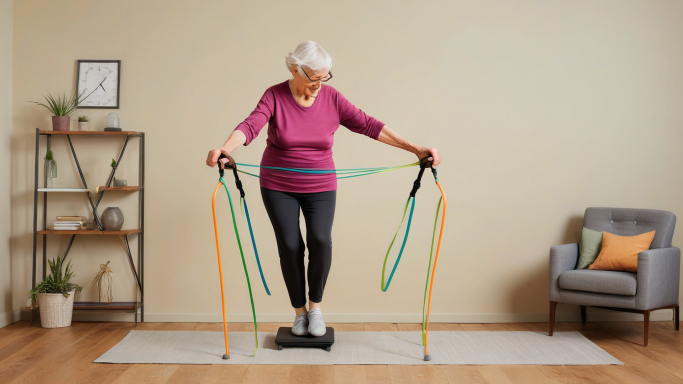
As we get older, maintaining our mobility and independence becomes increasingly important. Decreased mobility can lead to a host of other health problems for senior citizens, from muscle weakness and balance issues to increased risk of falls and a reduced quality of life. But the good news is that there are many effective mobility exercises for the elderly that can help keep seniors active, independent, and engaged.
The Importance of Mobility for Older Adults
Mobility is about more than just being able to get up and walk around. It encompasses a wide range of physical abilities, including strength, flexibility, balance, and coordination. All of these factors work together to allow us to move freely and safely through our daily lives.
For seniors, preserving mobility is crucial. Reduced mobility can make it harder to perform everyday tasks like bathing, dressing, and cooking. It also increases the risk of falls, which can be especially dangerous for older adults. In fact, falls are the leading cause of injury-related deaths among people aged 65 and older.
But it’s not all doom and gloom. With the right approach, seniors can take proactive steps to maintain their mobility and independence well into their golden years. The key is to incorporate a variety of mobility exercises for the elderly into a regular fitness routine.
Mobility Exercises for Senior Citizens
There are many different types of exercises that can help improve mobility in older adults. Here are some of the most effective options:
Strength Training: Building muscle strength is essential for maintaining mobility. Focus on exercises that target the major muscle groups, such as squats, lunges, and resistance band exercises. Start with lighter weights and gradually increase the difficulty over time.
Balance Exercises: Poor balance is a major contributor to falls in the elderly. Try exercises like standing on one leg, walking heel-to-toe, or using a balance board. You can also incorporate balance into your other workouts, such as standing on one leg while doing bicep curls.
Flexibility Workouts: Stretching and flexibility exercises help maintain range of motion in the joints. Older adults should focus on stretching the major muscle groups, especially the hips, hamstrings, and shoulders.
Cardiovascular Activities: Activities that get your heart rate up, such as walking, swimming, or cycling, can also improve overall mobility by increasing endurance and circulation.
It’s important to start slowly and gradually increase the intensity and duration of your mobility exercises. Consult with a physical therapist or qualified fitness instructor to develop a program that’s tailored to your individual needs and abilities.
Making Mobility a Priority
In addition to a regular exercise routine, there are other steps seniors can take to maintain their mobility:
- Stay active throughout the day. Avoid prolonged sitting or inactivity, which can exacerbate mobility issues. Take regular breaks to walk around, do some light stretching, or participate in household chores.
- Use assistive devices as needed. Canes, walkers, and other mobility aids can help seniors move around safely and confidently. Don’t be afraid to use them if they improve your quality of life.
- Practice good posture. Proper posture helps maintain muscle balance and joint alignment, which is essential for mobility. Be mindful of your posture during both activity and rest.
- Eat a healthy, nutrient-rich diet. Good nutrition supports muscle, bone, and joint health, all of which contribute to mobility. Focus on lean proteins, fruits, vegetables, and whole grains.
- Get enough sleep. Adequate rest is crucial for physical recovery and overall health. Aim for 7-9 hours of sleep per night.
By making mobility a priority and incorporating a variety of exercises into your daily routine, seniors can maintain their independence, reduce their risk of falls, and enjoy a higher quality of life. It’s never too late to get moving and improve your mobility!


