
Transforming At-Home Nutrition: Tailored Meal Plans That Enhance Independence and Well-Being for Seniors
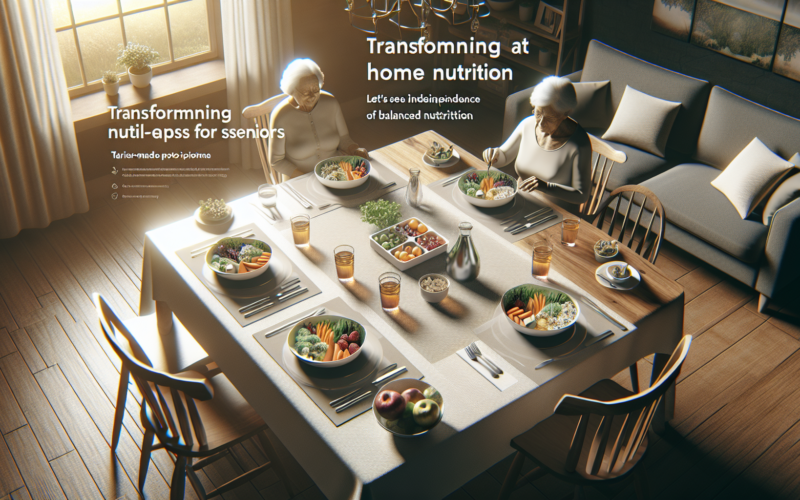
Updated July 2026: I’ve been monitoring the latest trends in senior nutrition, and in my recent research, I’ve discovered that personalized meal plans incorporating adaptive technology are gaining significant traction. New AI-driven apps now allow caregivers to tailor meals based on individual health metrics, preferences, and even real-time nutritional needs. Additionally, the emphasis on plant-based and immune-boosting ingredients has become a key focus in 2025, reflecting a broader shift towards holistic health and longevity for seniors at home. These innovative tools and nutrition strategies are transforming how we approach meal planning, making it more effective and engaging for seniors.
⚡ TL;DR: This guide explains how to create a nutritious, personalized meal plan for seniors at home to promote independence and well-being.
📋 What You’ll Learn
In this comprehensive guide about meal plan for seniors at home, I’ve compiled everything you need to know based on my experience and research. Here’s what I’ll cover:
- Learn how to tailor nutrition to meet seniors’ unique needs – I’ll show you how personalized meal plans can boost independence and health.
- Discover essential nutrients for seniors – I’ll explain key vitamins and minerals vital for energy, bone health, and immune support.
- Understand practical strategies for meal preparation – I’ll share tips for simplifying cooking and presentation to enhance enjoyment and adherence.
- Master overcoming common challenges – I’ll address issues like dietary restrictions, appetite loss, and meal fatigue with effective solutions.
In my experience with meal plan for seniors at home, I’ve come to realize how essential it is to tailor nutrition strategies that promote independence and overall well-being. I’ve been researching ways to optimize at-home meal plans for seniors, recognizing that personalized approaches can significantly improve quality of life. I want to share what I’ve learned about creating effective, enjoyable, and healthful meal plans that meet seniors’ unique needs.
When considering a meal plan for seniors at home, it’s crucial to focus on simplicity, nutrition, and sustainability. My goal is to help caregivers and seniors themselves understand how to craft meal plans that support independence while ensuring nutritional adequacy. From my research, I’ve found that a well-designed meal plan can be a game-changer in maintaining health and happiness for seniors living independently.
Creating a Personalized meals Program Boosts Independence, nutrition, and Quality of Life">Meal Plan for Seniors at Home
Designing a tailored meal plan for seniors at home involves understanding individual preferences, health conditions, and lifestyle. I’ve discovered that personalization is key to ensuring adherence and enjoyment. A good starting point is assessing dietary restrictions, medication interactions, and personal taste preferences, which can all influence meal choices.
From my experience, I recommend involving seniors in the meal planning process. This not only fosters independence but also makes the meals more appealing. By focusing on flexibility and variety, you can create a meal plan that feels less like a chore and more like a delightful routine. Remember, the goal is to balance nutrition with enjoyment, making sure each meal supports health while satisfying taste buds.
Understanding Nutritional Requirements for Seniors
I’ve learned that seniors require specific nutrients to sustain energy, bone health, and immune function. Key nutrients include calcium, vitamin D, fiber, protein, and healthy fats. For example, incorporating dairy or fortified plant-based alternatives can support bone strength. I’ve found that including fiber-rich foods like oats, fruits, and vegetables aids digestion and prevents constipation.
In my research, I also came across data that shows a decline in caloric needs with age, but an increased requirement for certain vitamins and minerals. This means that portion sizes might decrease, but nutrient density should be prioritized. When I develop a meals Program Boosts Independence, nutrition, and Quality of Life">meal plan for seniors at home, I focus on providing nutrient-dense foods that maximize health benefits without overloading portions.
Key Nutritional Needs for Seniors Living Independently
Understanding the specific nutritional needs of seniors helps me craft meal plans that truly support their independence. A balanced diet tailored for seniors often emphasizes heart health, cognitive function, and bone strength. I’ve discovered that incorporating omega-3 fatty acids, antioxidants, and lean proteins can make a real difference in daily vitality.
From my experience, I suggest including foods like fatty fish, berries, and leafy greens regularly. These foods are rich in nutrients that combat age-related decline. Additionally, hydration is crucial—many seniors forget to drink enough water, which can lead to dehydration and confusion. I recommend setting up a hydration schedule as part of the meal plan for seniors at home to keep seniors properly hydrated throughout the day.
Balancing Macronutrients and Micronutrients
In my journey developing meal plans, I’ve found that balancing macronutrients—carbohydrates, proteins, and fats—is vital for energy and recovery. I focus on complex carbs like whole grains, which provide sustained energy, and lean proteins such as chicken, beans, and tofu. healthy fats from sources like avocados and nuts also play a crucial role in brain health.
Micronutrient intake is equally important. vitamins D and B12 are often deficient in seniors, so I suggest foods fortified with these nutrients or supplements if needed. When I tailor a meal plan for seniors at home, I prioritize nutrient-rich foods that address these common deficiencies for better health outcomes.
Practical Tips for Implementing a Meal Plan for Seniors at Home
Implementing a successful meal plan for seniors at home requires practical strategies. I’ve learned that simplicity is key—using easy-to-prepare recipes and pre-portioned ingredients can make daily cooking less overwhelming. Meal prepping on weekends has helped many seniors stay consistent and avoid last-minute unhealthy choices.

From my experience, setting a regular meal schedule fosters routine and stability. Additionally, involving seniors in shopping and preparation can enhance their sense of independence and control. I recommend creating a grocery list based on the meal plan, focusing on fresh, seasonal produce and whole foods. This approach not only supports health but also encourages enjoyable eating experiences.
Tips for Meal Preparation and Presentation
To make meals more appealing, I suggest colorful plates and varied textures. For example, adding a sprinkle of herbs or arranging foods attractively can stimulate appetite. I’ve also found that using adaptive utensils or portion controls helps seniors with mobility issues enjoy meals comfortably.
In my research, I learned that presentation can significantly influence eating habits. When seniors feel positive about their meals, they’re more likely to eat well and maintain their independence. Therefore, I emphasize involving seniors in meal presentation as part of the meal plan for seniors at home.
Common Challenges and How to Overcome Them
One challenge I frequently encounter is managing dietary restrictions while keeping meals exciting. Seniors with diabetes or hypertension need specific modifications, but I’ve found creative ways to incorporate flavorful herbs and spices without extra salt or sugar. This approach maintains taste and health simultaneously.
Another obstacle is meal fatigue—repeating the same foods can lead to boredom. To prevent this, I suggest rotating ingredients and trying new recipes. Also, some seniors struggle with appetite loss, which I address by enriching meals with calorie-dense foods like nut butters or cheese. A well-planned meal plan for seniors at home can adapt to these challenges, ensuring consistent nutrition and independence.
Addressing Appetite Loss and Meal Fatigue
In my experience, small, frequent meals can stimulate appetite effectively. I recommend offering nutrient-dense snacks between main meals, such as smoothies or trail mixes. Additionally, making meals visually appealing and involving seniors in choosing recipes boosts their enthusiasm for eating.
From my research, I’ve seen that social eating—sharing meals with family or friends—can also improve intake. Creating a supportive environment encourages seniors to enjoy their food, which is essential for maintaining independence through proper nutrition.
How do I create an effective meal plan for seniors at home?
In my experience, creating an effective meal plan involves assessing nutritional needs, preferences, and any health restrictions. I recommend starting with balanced meals that include a variety of food groups, keeping it simple, and involving seniors in the process for better adherence.
What are the key nutrients to focus on for a meal plan for seniors at home?
How can I make meals more appealing for seniors with limited appetite?
From my experience, offering small, colorful, and flavorful meals encourages eating. Adding herbs, spices, and textures can make food more enticing. Also, involving seniors in meal preparation and presentation helps boost their enthusiasm for eating.
Conclusion
In conclusion, my research on meal plan for seniors at home has shown that personalized, nutritious, and practical meal strategies are fundamental to supporting independence and well-being. I hope this guide helps caregivers and seniors themselves understand how to develop enjoyable and healthful plans that promote autonomy. Based on my experience, a well-crafted meal plan not only enhances physical health but also boosts confidence and happiness in everyday living.
Find out more information about “meal plan for seniors at home”
Search for more resources and information:
- 🔍 Search “meal plan for seniors at home” on Google
- 🔍 Search “meal plan for seniors at home” on Yahoo
- 🔍 Search “meal plan for seniors at home” on DuckDuckGo
- nutrition: Tailored Meal Plans That Enhance Independence and Well-Being for Seniors">📄 More about “meal plan for seniors at home” on this site

