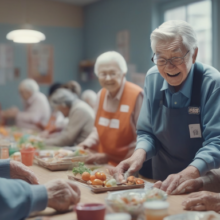
Volunteering for Seniors: A Path to Purpose and Peace

Volunteering is often seen as a way to give back to the community, but for senior citizens, it holds an even deeper value. Beyond the joy of helping others, volunteering fosters mental clarity, emotional well-being, and a renewed sense of purpose. In your golden years, lending a hand to others can be a powerful way to maintain a sound mind while enriching your life and the lives of others.
The Connection Between Volunteering and Mental Health
Studies consistently show that giving back has profound benefits for mental and emotional health. Here’s how volunteering promotes a sound mind:
- Boosts Emotional Well-Being
- Volunteering releases feel-good hormones like oxytocin and endorphins, reducing stress and promoting happiness.
- Helping others creates a sense of accomplishment and fulfillment.
- Combats Loneliness and Isolation
- Engaging in volunteer activities connects seniors with like-minded individuals.
- Regular interaction fosters friendships and combats feelings of loneliness.
- Provides a Sense of Purpose
- Volunteering offers structure and meaning, replacing the void that can sometimes accompany retirement.
- Knowing you’re making a difference enriches your sense of identity.
- Improves cognitive Health
- Activities like mentoring, tutoring, or organizing events stimulate the brain, helping to maintain cognitive sharpness.
Ways Seniors Can Volunteer to Help Other Seniors
If you’re considering volunteering, here are meaningful ways to support fellow seniors:
- Senior Center Assistance
- Help organize activities like arts and crafts, fitness classes, or discussion groups.
- Offer companionship to those who may feel isolated.
- Meal Delivery Programs
- Caregiver Support
- Provide respite for family caregivers by spending time with their loved ones.
- Offer emotional support to caregivers who may be overwhelmed.
- Mentoring and Teaching
- Share your skills or hobbies by teaching a class or leading workshops.
- Mentor younger generations to bridge the gap between ages and create meaningful bonds.
- Hospital or Hospice Volunteering
- Spend time with patients, providing comfort and companionship.
- Assist with light tasks to ease the burden on staff and families.
- Advocacy and Fundraising
- Support senior-focused causes by participating in fundraising events.
- Advocate for policies and programs that benefit older adults.
Tips for Finding the Right Volunteer Opportunity
- Identify Your Passions
- Think about causes or activities you enjoy, such as art, education, or health.
- Volunteering is most fulfilling when aligned with your interests.
- Assess Your Skills
- Reflect on your talents, whether it’s cooking, organizing, or mentoring.
- Skills-based volunteering allows you to make a unique impact.
- Start Small
- Begin with short-term commitments to see what fits your lifestyle.
- Gradually increase your involvement as you find the right match.
- Join Local Organizations
- Reach out to senior centers, community groups, or religious organizations.
- Many local nonprofits welcome volunteers of all ages.
- Use Online Platforms
- Websites like VolunteerMatch or AARP’s Create the Good make it easy to find opportunities tailored to seniors.
The Ripple Effect of Volunteering
Volunteering isn’t just about helping others; it creates a ripple effect of positivity:
- In Your Life: You gain a sense of accomplishment, reduced stress, and improved social connections.
- In Others’ Lives: Your time and effort can brighten someone’s day, alleviate their struggles, or inspire hope.
- In the Community: A strong network of volunteers builds a more compassionate and supportive society.
Pro Tip: Share your volunteering stories with friends or family to inspire them to join in.
Overcoming Barriers to Volunteering
While volunteering is rewarding, some seniors may face barriers such as:
- Mobility Issues: Choose roles that can be done from home or within accessible locations.
- Time Constraints: Opt for flexible opportunities that fit your schedule.
- Uncertainty: Start with small steps, such as attending an event or shadowing a volunteer.
Organizations are often willing to accommodate your needs, so don’t hesitate to communicate your limitations.
Conclusion: Helping Others for a Healthier Mind
Volunteering is a two-way street that enriches the lives of both the giver and receiver. For seniors, it offers a pathway to a sound mind, emotional fulfillment, and a renewed sense of purpose. By helping others, you not only brighten their days but also strengthen your mental health and deepen your connection to the world.
Start small, follow your passions, and embrace the joy of giving. The rewards of volunteering go far beyond the immediate benefits—it’s a gift to yourself, others, and the community. So why wait? Begin your journey of meaningful impact today!