
Embracing Wellness: Yoga and Pilates for the Elderly
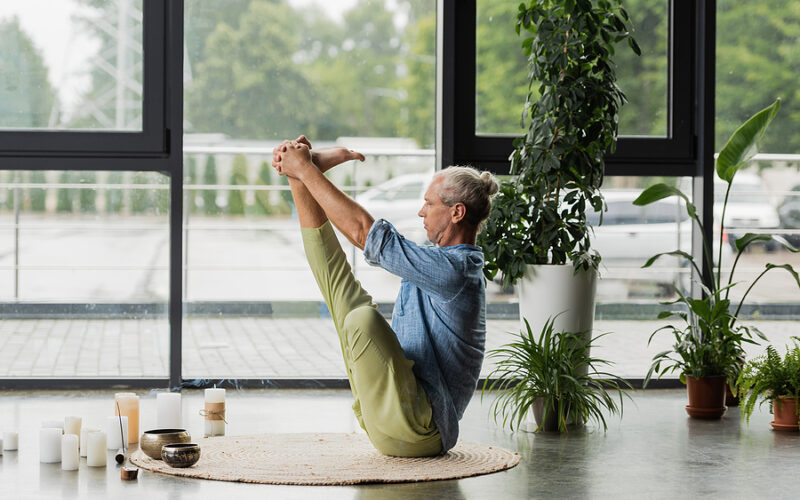
As we age, staying active becomes increasingly important for maintaining our health, mobility, and independence. While traditional forms of exercise may become challenging, gentler practices like yoga and Pilates offer excellent alternatives for seniors looking to stay fit and flexible. In this article, we’ll explore the benefits of yoga and Pilates for elderly individuals and how these practices can contribute to a healthier, more balanced lifestyle.
Understanding Yoga and Pilates for Seniors
Yoga and Pilates are both low-impact exercise systems that focus on strength, flexibility, and mindfulness. While they have different origins and methodologies, both can be adapted to suit the needs of older adults.
Yoga, an ancient practice originating in India, combines physical postures, breathing techniques, and meditation. It emphasizes the connection between mind and body, promoting relaxation and stress relief alongside physical benefits.
Pilates, developed by Joseph Pilates in the early 20th century, concentrates on core strength, proper posture, and controlled movements. It aims to improve overall body awareness and alignment.
For elderly practitioners, both yoga and Pilates can be modified to accommodate physical limitations and health concerns, making them safe and accessible options for staying active.
Benefits of Yoga and Pilates for the Elderly
- Improved Flexibility and Range of Motion As we age, our joints tend to become stiffer, and our muscles less pliable. Regular practice of yoga and Pilates can help maintain and even improve flexibility, keeping joints supple and muscles elongated. This increased flexibility can make everyday activities easier and reduce the risk of injury.
- Enhanced Balance and Stability Falls are a significant concern for many seniors. Both yoga and Pilates include exercises that challenge and improve balance and stability. By strengthening the core muscles and increasing body awareness, these practices can help reduce the risk of falls and boost confidence in daily movements.
- Increased Strength While gentle in nature, both yoga and Pilates can significantly improve muscle strength, particularly in the core, legs, and upper body. This increased strength can help seniors maintain independence in daily activities and improve overall physical function.
- Better Posture Poor posture is common among older adults and can lead to various health issues. Yoga and Pilates emphasize proper alignment and body awareness, helping to correct postural imbalances and reduce associated pain or discomfort.
- Stress Reduction and Mental Wellbeing The mindful nature of yoga and Pilates can have profound effects on mental health. These practices often incorporate breathing exercises and meditation techniques that can reduce stress, anxiety, and symptoms of depression. Many elderly practitioners report improved mood and a greater sense of overall wellbeing.
- Improved Breathing Both yoga and Pilates place a strong emphasis on proper breathing techniques. For seniors, this can lead to improved lung capacity and better oxygenation of the body, which is particularly beneficial for those with respiratory issues.
- Social Interaction Joining a yoga or Pilates class can provide valuable social interaction for elderly individuals. This social aspect can combat feelings of isolation and contribute to improved mental health and cognitive function.
Getting Started with Yoga and Pilates
If you’re an older adult interested in trying yoga or Pilates, here are some tips to get started safely:
- Consult Your Doctor: Before beginning any new exercise regimen, it’s important to check with your healthcare provider, especially if you have any existing health conditions.
- Find the Right Class: Look for classes specifically designed for seniors or beginners. Many studios and community centers offer “gentle” or “chair” yoga and Pilates classes that cater to older adults.
- Start Slow: Begin with shorter sessions and gradually increase the duration as your strength and stamina improve.
- Listen to Your Body: Pay attention to how your body feels during and after practice. It’s normal to feel some muscle soreness, but sharp pain is a sign to stop and consult with your instructor or doctor.
- Use Props: Don’t hesitate to use props like blocks, straps, or chairs to make poses more accessible and comfortable.
- Stay Hydrated: Remember to drink plenty of water before, during, and after your practice.
- Be Consistent: Regular practice will yield the best results. Aim for at least 2-3 sessions per week to start.
Adapting Yoga and Pilates for Elderly Practitioners
Many yoga and Pilates exercises can be modified to suit the needs of older adults. For example:
- Chair Yoga: Performing yoga poses while seated or using a chair for support can make the practice more accessible for those with balance or mobility issues.
- Gentle Pilates: Focusing on slower, more controlled movements and using props like foam rollers can make Pilates exercises more manageable for seniors.
- Modified Poses: Instructors can offer alternatives to challenging poses, ensuring that everyone can participate regardless of their fitness level.
Embracing a Healthier Future
Incorporating yoga and Pilates into your lifestyle as an older adult can lead to significant improvements in both physical and mental wellbeing. These practices offer a gentle yet effective way to stay active, flexible, and balanced as you age. Remember, it’s never too late to start reaping the benefits of yoga and Pilates. With patience, consistency, and the right guidance, you can embark on a journey towards improved health and vitality in your golden years.


